What Causes Mosquitoes To Swarm Your Yard This Summer
A sudden increase in mosquitoes can make patios, play areas, gardens, and outdoor gatherings uncomfortable. Their numbers often rise when warm temperatures, standing water, shade, and nearby hosts create favorable conditions for breeding and feeding.
Mosquito control works best when it addresses the full life cycle. Adult mosquitoes may be the most noticeable stage, but eggs, larvae, and pupae can develop quietly in water around the property. Professional inspection helps identify where mosquitoes are breeding, where adults rest, and which conditions are allowing activity to continue.

Standing Water Gives Mosquitoes Places to Breed
Mosquitoes need water to reproduce, and some species can develop in surprisingly small amounts. A yard may look dry while gutters, containers, irrigation areas, or low spots hold enough water for larvae.
Common breeding locations include:
- Birdbaths, buckets, toys, and plant saucers that collect rain or irrigation.
- Clogged gutters and downspouts that hold water and organic debris.
- Low lawn areas where drainage remains slow after watering or storms.
- Tarps, wheelbarrows, and outdoor equipment with shallow water pockets.
- Neglected containers near sheds, patios, gardens, or fence lines.
Warm summer conditions can shorten mosquito development, allowing new adults to emerge more quickly. This is why one-time attention to visible mosquitoes may not provide lasting relief when breeding water remains nearby.
Dense Vegetation Creates Cool Resting Areas
Adult mosquitoes often avoid direct sun and dry wind during the hottest part of the day. Shrubs, tall grass, tree canopies, ground cover, and shaded spaces beneath decks can provide cooler, more humid resting zones.
Vegetation can also connect mosquito activity with other yard pests. This guide to ant prevention factors explains how food, water, vegetation, and structural access can influence pest pressure around a property. Although ants and mosquitoes behave differently, both may benefit when moisture and dense landscaping remain close to the home.
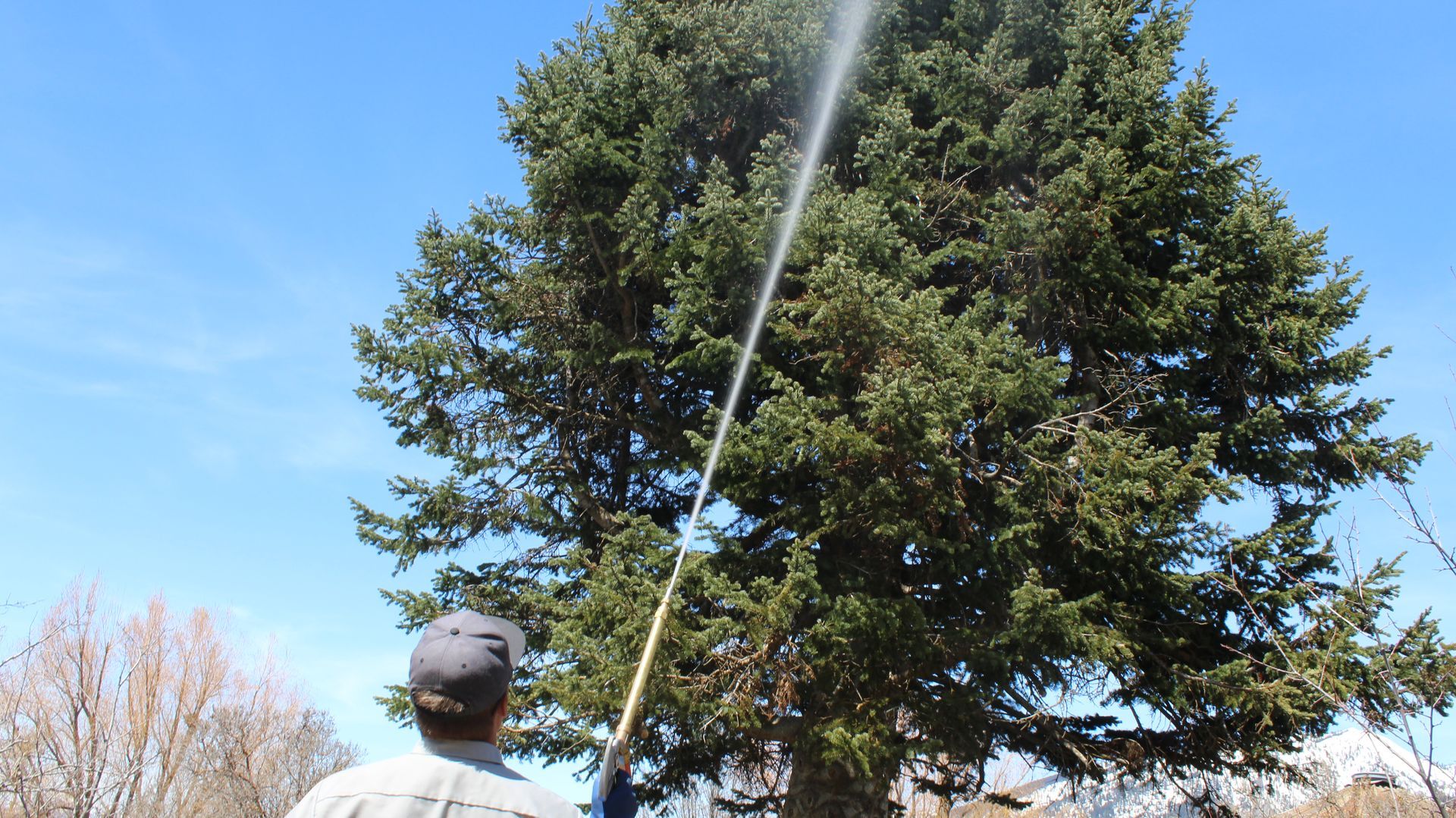
Professional mosquito control may focus treatment on shrubs, trees, shaded walls, and other areas where adults rest between feeding periods. Reducing overgrowth and improving airflow can also make these locations less favorable over time.
Heat and Moisture Speed Up Seasonal Activity
Summer warmth increases mosquito activity because adults feed more often and immature stages can develop faster. Rainfall, irrigation, and humid weather add the moisture needed for eggs and larvae.
Conditions that often contribute to summer swarms include:
- Repeated irrigation that keeps shaded soil and vegetation damp.
- Warm evenings that extend mosquito feeding activity.
- Rain followed by several hot days, which supports rapid development.
- Outdoor gatherings that provide more nearby hosts.
- Animal activity around yards, fields, and landscaped edges.
Mosquito pressure may also rise after weather changes disturb nearby habitat. Adults can move from neighboring vegetation, drainage areas, or unmanaged water sources even when a homeowner maintains the immediate yard carefully.
Other Pest Activity Can Reveal Broader Property Risks
A yard that supports one pest may contain conditions that attract others. Moisture, clutter, dense vegetation, stored items, and frequent human or animal movement can create overlapping pressure around the property.
The discussion of bed bug travel risks shows how some pests spread through people and belongings rather than outdoor breeding sites. That contrast is useful because effective pest control depends on understanding how each pest reaches the property. Mosquitoes usually develop in water and rest outdoors, while bed bugs are commonly introduced through travel, furniture, or personal items.
A professional yard assessment may include:
- Identifying standing water and likely breeding locations.
- Inspecting shrubs, trees, decks, foundations, and shaded resting areas.
- Reviewing irrigation, drainage, and seasonal moisture patterns.
- Checking where people and pets spend the most time outdoors.
- Planning follow-up treatment during peak mosquito months.
This property-specific approach helps avoid treating every part of the yard the same way when activity is concentrated in certain zones.
Long-Term Mosquito Control Requires Seasonal Follow-Up
Mosquito populations can rebound when new rain, irrigation, or outside pressure creates fresh breeding opportunities. That is why long-term mosquito control usually involves more than one application during the active season.
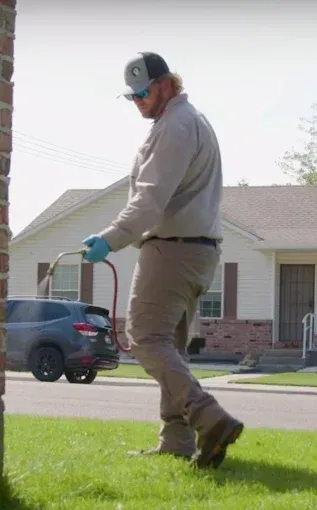
A professional program may combine inspection, targeted mist applications, treatment of standing water sources, and ongoing service during peak months. The purpose is to reduce adult resting populations while interrupting development where mosquitoes lay eggs.
Follow-up visits also allow technicians to identify changes in vegetation, drainage, water storage, and outdoor use. A shaded area that was dry in early summer may become a breeding concern after storms or increased irrigation. Likewise, new containers, landscaping, or construction can alter where water collects.
No treatment can prevent every mosquito from entering an open yard, especially when nearby properties or natural areas also support activity. However, professional mosquito control can significantly reduce pressure by focusing on the places where mosquitoes are most likely to breed and rest.
Take Back the Yard Before the Next Hatch
When mosquitoes swarm around patios, gardens, or play areas, hidden breeding and resting zones may be sustaining the problem. Contact Prominent Pest Solutions for professional mosquito control focused on inspection, seasonal treatment, and long-term outdoor relief.