
What's The Deal With Bed Bugs In Idaho/Wyoming?
A Comprehensive Guide To Bed Bugs in Idaho Falls, ID
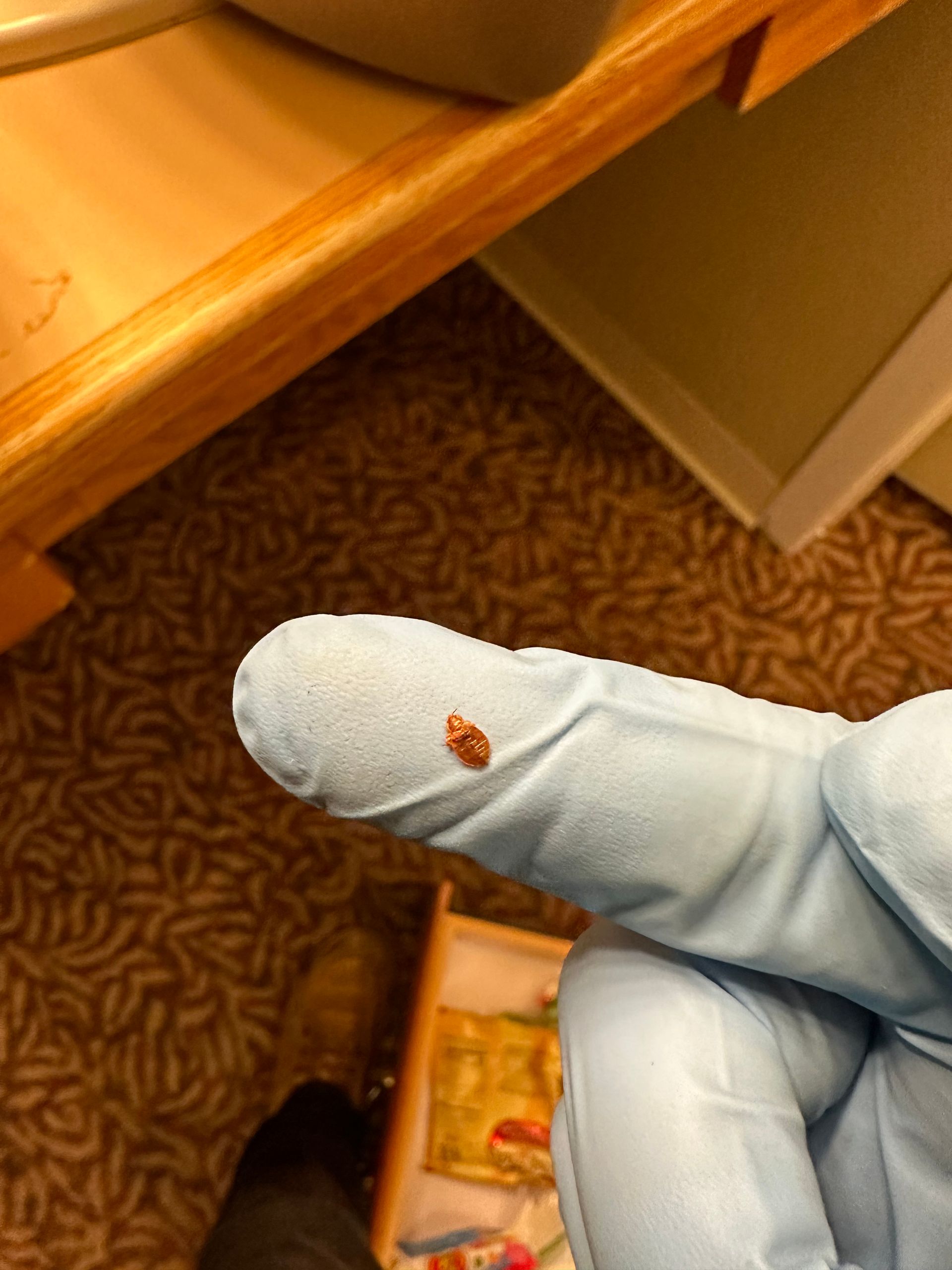
Bed bugs are unwelcome pests that can quickly become a nightmare if they infest your home or business. These tiny, nocturnal insects can cause discomfort, sleepless nights, and itchy bites. As a trusted pest control company serving Idaho/Wyoming, we understand the importance of preventing bed bug infestations before they occur. In this blog post, we will share valuable tips and insights on bed bug prevention to help you safeguard your home and maintain a peaceful living environment. Also, we will share how we can proactively prevent them with new products to hit the market in the last few years.
Know Your Enemy:
Understanding bed bugs is the first step in preventing an infestation. Bed bugs are reddish-brown, flat insects that can hide in cracks, crevices, and even furniture. They are excellent hitchhikers and can travel from infested areas to your home through luggage, clothing, or used furniture. Knowing the signs of a bed bug infestation, such as bloodstains on sheets, discarded exoskeletons, or musty odors, will enable you to take swift action.
Maintain a Clean and Clutter-Free Environment:
A clean and clutter-free home is less appealing to bed bugs. Regularly vacuum your floors, mattresses, and upholstered furniture to remove any potential hiding spots. Pay attention to cracks, crevices, and seams, where bed bugs often seek refuge. Seal any cracks in walls, baseboards, or furniture to eliminate potential entry points.
Be Cautious When Traveling:
Bed bugs are notorious hitchhikers and can easily latch onto your belongings while you travel. Whether you’re staying at a hotel or visiting friends, take precautionary measures to avoid bringing bed bugs back home:
- Inspect the mattress, headboard, and furniture for signs of bed bugs before unpacking.
- Keep your luggage off the floor and use luggage racks or protective covers.
- Upon returning home, wash and dry your clothes on high heat to kill any potential bed bugs.
Use Protective Covers:
Encasing your mattresses, box springs, and pillows in protective covers can help prevent bed bugs from infesting these areas. These covers are made of materials that bed bugs cannot penetrate, acting as a barrier between the bugs and you. Remember to choose covers labeled as “bedbug-proof” or “allergen-proof” for optimal protection.
Be Cautious with Second-Hand Furniture:
While thrift store finds or hand-me-down furniture can be tempting, they also pose a potential risk for bed bug infestations. Before bringing any used furniture into your home, thoroughly inspect it for signs of bed bugs. Pay attention to seams, cracks, and any dark spots that could indicate their presence. If you’re uncertain about the furniture’s history, it’s best to avoid the risk altogether.
Educate Yourself and Seek Professional Help:
Staying informed about bed bug prevention and treatment is crucial for homeowners. By familiarizing yourself with the signs and prevention methods, you can act swiftly if you suspect an infestation. However, if you do find yourself dealing with bed bugs, don’t hesitate to call us ASAP. We promise we don’t bite and can at least let you know your options. There have been new products to hit the market in the past few years and we have a variety of methods and have reasonable prices according to your budget. We are one of the few licensed Apprehend dealers in the area and have the tools to utilize treatments that are cost-effective and proactive. https://www.aprehend.com/availability/
Preventing bed bug infestations in your home or business requires vigilance, cleanliness, and awareness. By following the tips mentioned above, you can significantly reduce the risk of encountering these unwanted pests. Remember, early detection and prompt action are key to preventing bed bug infestations from spreading. If you suspect a bed bug problem or need professional assistance, reach out to our trusted pest control company. Together, we can create a bug-free environment for you and your family to enjoy.