How Commercial Pest Control Prepares Businesses for Winter
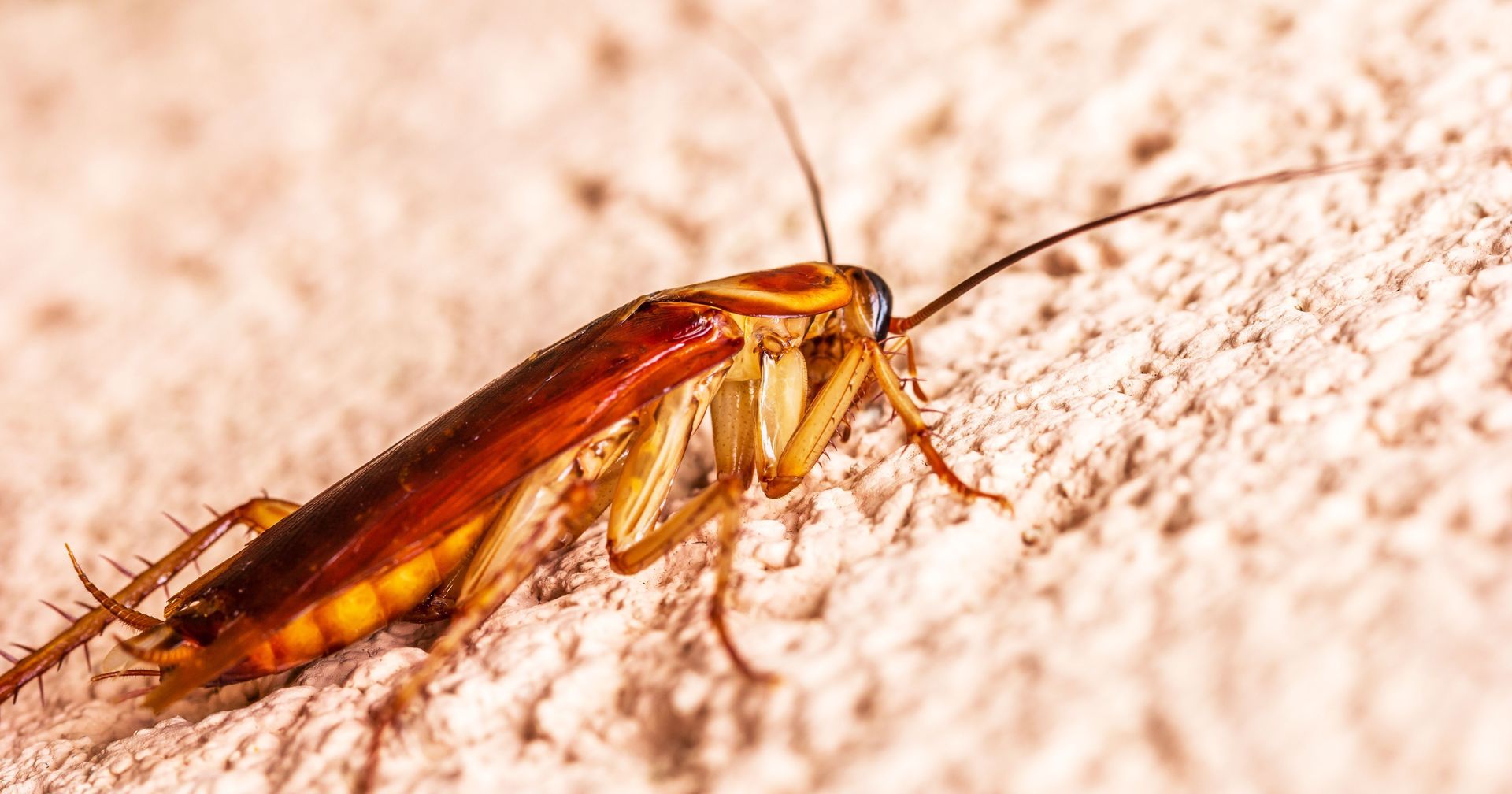
Winter preparation at a commercial property involves heating equipment, entrances, deliveries, and weather-related maintenance. Pest activity deserves a place in that conversation, too. As temperatures fall across Idaho, Wyoming, and Montana, mice and rats may seek protected routes indoors. Cockroaches and spiders can remain active inside buildings with suitable shelter, moisture, or prey.
The challenge for managers is that an occupied building can look orderly while activity develops behind stock, around plumbing, or above suspended ceilings. Commercial pest control provides a way to identify those risks before they interrupt employees, customers, or daily operations. Our team begins with the property's layout and the evidence present, rather than assuming every business needs the same winter treatment.
Identify Vulnerabilities Before Cold Weather Changes Pest Movement
Commercial buildings have more moving parts than their front entrances suggest. Receiving doors open repeatedly, contractors access utility rooms, and storage configurations change throughout the year. Each transition can expose a gap or create shelter that was not a concern during an earlier inspection.
Important areas to review include:
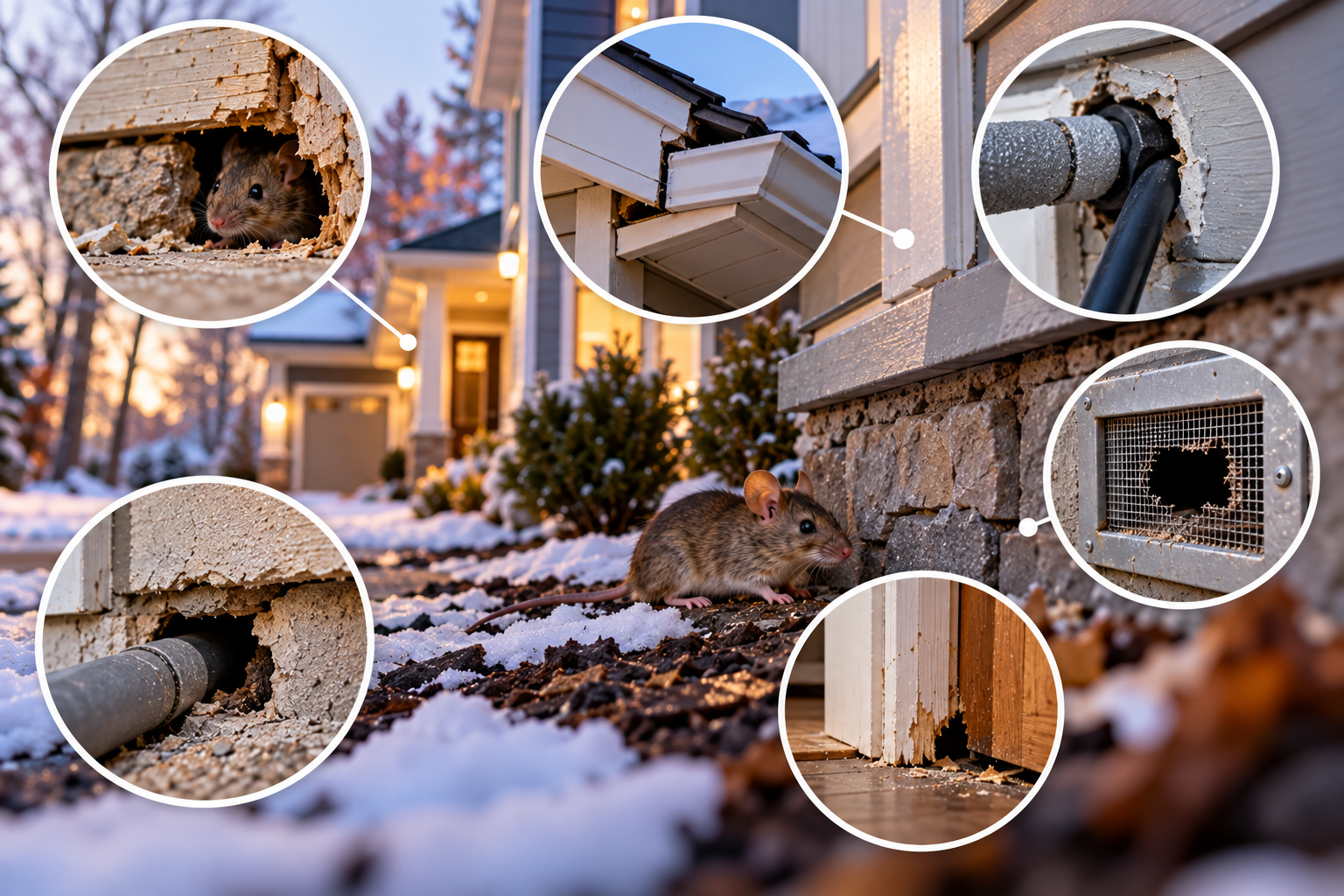
- Loading docks: Frequent deliveries and worn door seals may give rodents opportunities to reach receiving areas.
- Exterior utilities: Openings around conduit, pipes, and vents can connect outdoor travel routes with wall cavities.
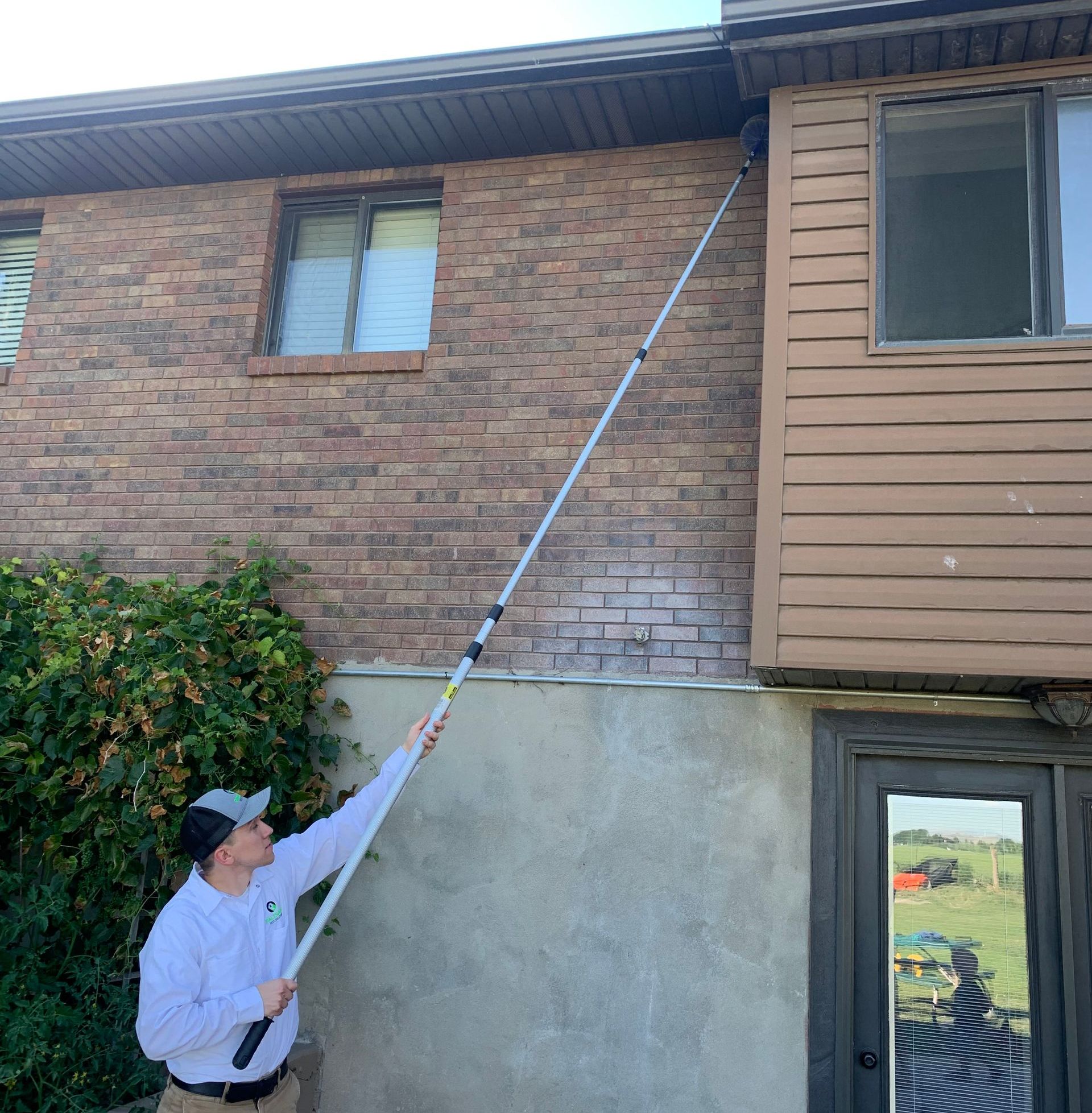
- Roofline transitions: Damaged trim, soffits, or vents may expose upper storage spaces to rodent activity.
- Waste areas: Food residue and sheltered containers can encourage pests near employee or customer entrances.
- Landscaping borders: Dense vegetation and stored materials may conceal movement along foundation edges.
A visible opening does not prove that animals are using it. Droppings, gnaw marks, rub marks, and nesting material help determine which gaps deserve priority. Our guide to winter rodent entry describes how technicians connect exterior vulnerabilities to evidence found indoors.
That connection matters when planning exclusion. Closing a suspected route before checking for active rodents could leave animals inside. A coordinated inspection establishes where treatment, removal, building repair, or subsequent monitoring may be needed. The aim is to address the route supporting the problem, not simply cover an opening because it looks suspicious.
Match Indoor Monitoring to How Each Business Operates
A restaurant kitchen, office building, warehouse, and lodging property do not share identical pest pressures. Food handling, public access, overnight occupancy, and storage practices influence where pests can survive unnoticed. Winter plans should account for those differences without interrupting operations unnecessarily.
Our inspections may concentrate on:
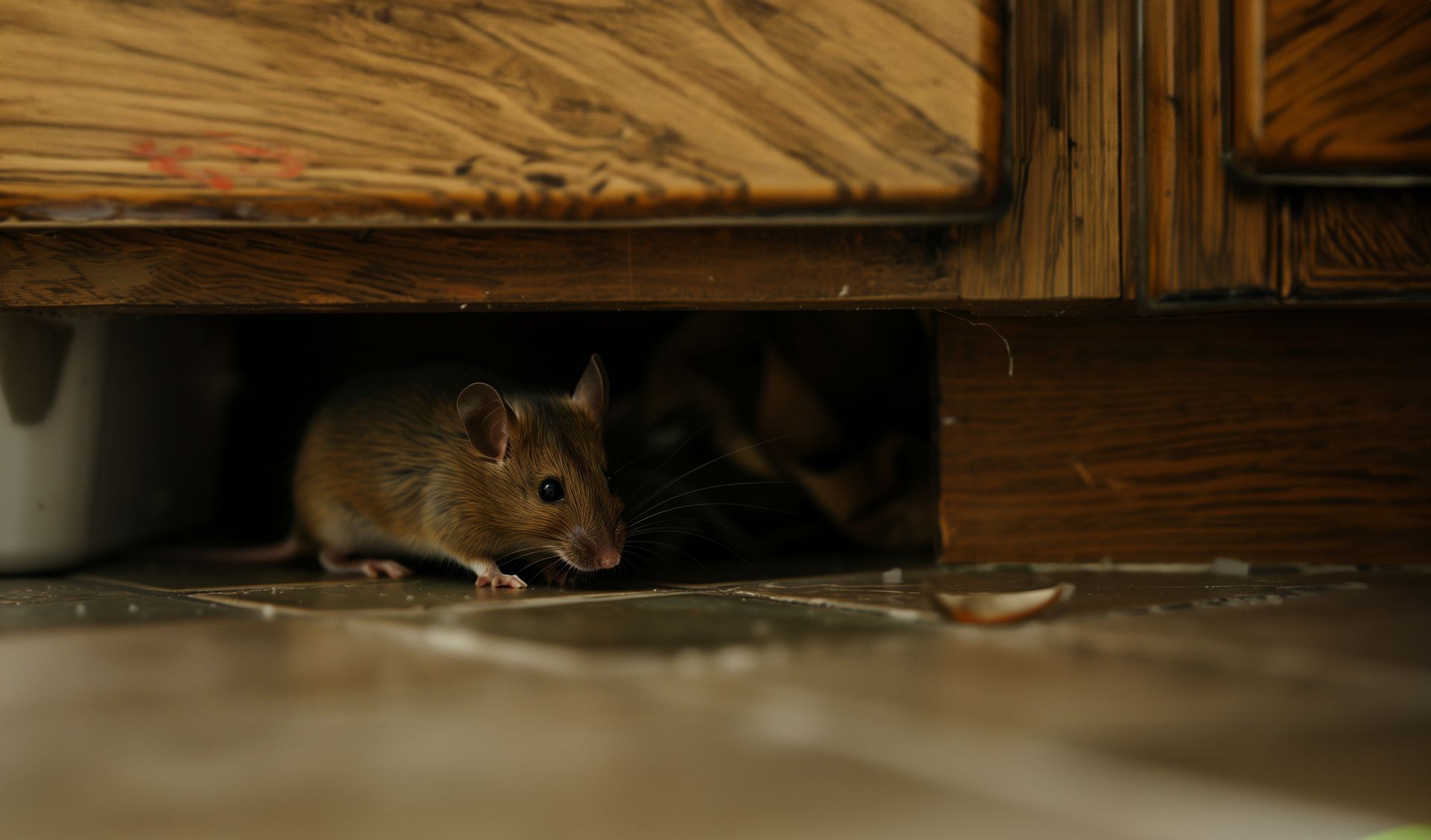
- Stockrooms: Hidden droppings or damaged packaging can reveal rodent movement behind inventory.
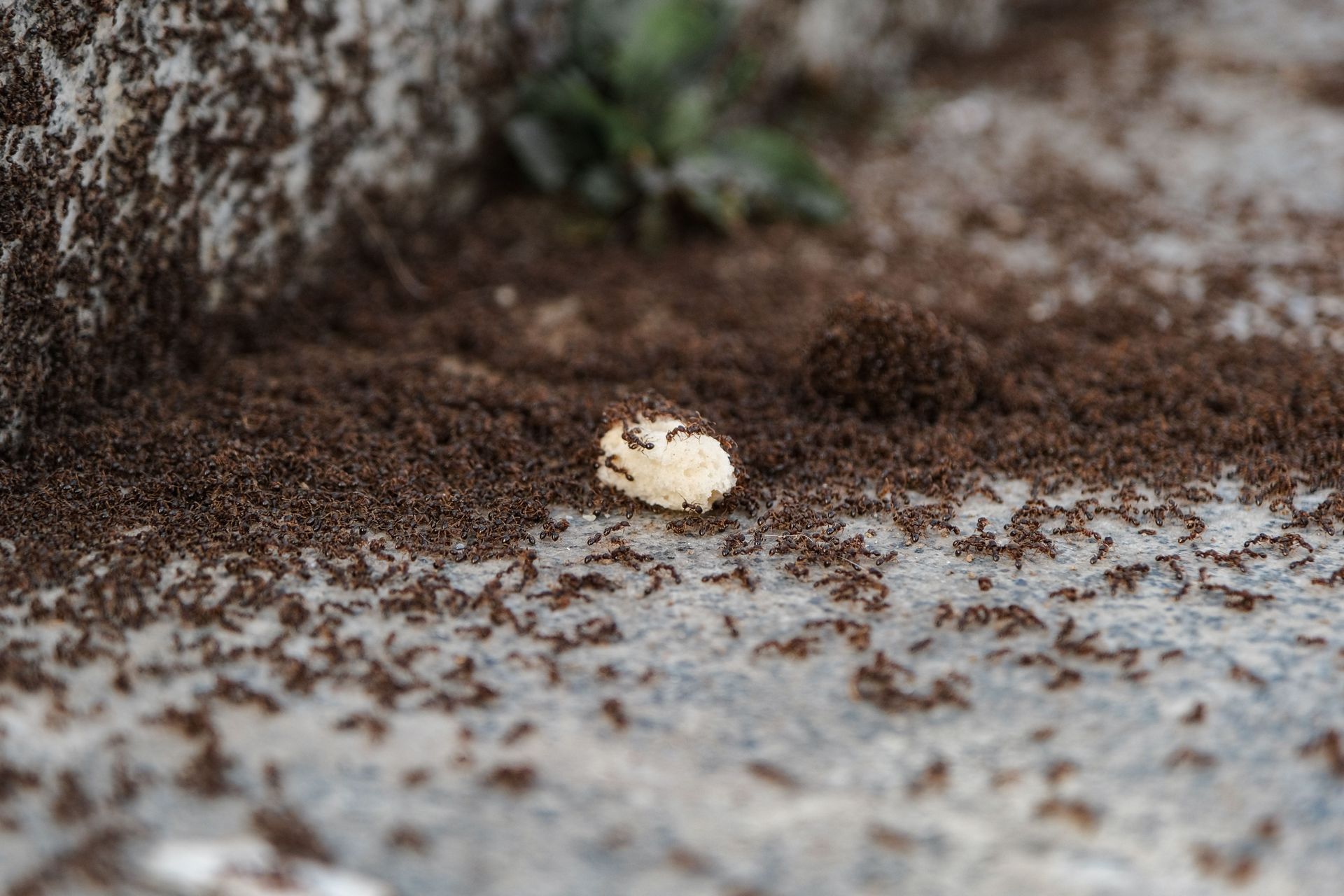
- Breakrooms: Crumbs, water connections, and appliances may support ants or cockroaches.
- Mechanical spaces: Warm equipment rooms offer shelter and may contain overlooked entry routes.
- Shared corridors: Connected units can allow pest movement that is difficult to attribute to one source.
- Complaint locations: Repeated reports from employees can identify patterns that isolated sightings cannot establish.
The type of pest determines the appropriate next step. Rodent activity may justify trapping and exclusion recommendations, while cockroach findings call for inspection of harborages, food, and moisture. Spiders near exterior lighting may reflect insect prey rather than a separate structural infestation. Our technicians consider what is actually present before choosing targeted measures.
A monitoring program also creates a record of change. Findings from one visit can be compared with later observations to determine whether activity declined or shifted. That makes service more useful than simply repeating the same treatment at every appointment. Managers gain an explanation for decisions, not just a record that a technician visited.
Turn Inspection Findings Into an Actionable Winter Plan
The value of seasonal preparation depends on what happens after the inspection. Commercial managers need clear responsibilities, realistic follow-up, and documentation that can be shared with maintenance teams. A pest-control recommendation is most effective when it fits the building's operating schedule and identifies which concerns require separate repairs.
A practical winter plan can include:
- Baseline reports: Record pest evidence, inspected areas, and the locations that warrant closer observation.
- Treatment notes: Explain why control measures were selected for confirmed activity.
- Repair priorities: Identify deteriorated seals, openings, or moisture problems for the appropriate personnel.
- Scheduled reviews: Compare new findings with earlier records as conditions and building use change.
- Staff communication: Establish a clear process for reporting sightings without treating every report as proof of infestation.
Our discussion of commercial pest complaints shows why observation and communication matter in busy workplaces. The same principles carry into winter, even when the pests and pressure points differ. A loading dock that attracted insects in summer may deserve renewed attention when rodents begin exploring sheltered entrances.
Commercial pest control cannot guarantee that no pest will ever enter a building. It can, however, replace guesswork with documented findings, focused recommendations, and informed follow-up. That continuity helps businesses prepare for winter while protecting the routines that customers and employees depend on.
Make Winter Readiness Work Behind the Scenes
If your facility needs a closer look before cold weather arrives, contact Prominent Pest Solutions for professional commercial pest control. Our team can assess vulnerabilities and recommend a plan for your property.