How to Find Rodent Entry Points Before Winter Arrives
As colder weather approaches, mice, rats, and voles may look for protected places where food, shelter, and stable temperatures are easier to find. Homes, garages, crawl spaces, and other structures can provide those conditions, especially when small exterior openings create a path indoors. Finding those access points before winter can make rodent control more precise because the inspection starts with how the animals are getting inside.
Our team looks at the property as a connected system. Rodents may enter near the foundation, travel through wall voids, and leave evidence in a completely different room. That is why a useful inspection combines exterior conditions with indoor signs such as droppings, gnawing, nesting material, grease marks, and scratching sounds. The goal is to identify active routes, vulnerable openings, and areas needing professional attention before cold-weather pressure increases.

Start With Exterior Openings Around the Structure
The exterior is often the best place to begin because entry points develop where building materials meet, wear down, or leave room around penetrations. Rodents can take advantage of gaps that are easy to overlook during maintenance. Our technicians pay close attention to transitions around the foundation, siding, doors, vents, utility lines, and lower roof areas because these locations can connect with concealed interior spaces.
If indoor activity has already been noticed, reviewing common hidden rodent signs can help connect what is happening inside with likely entry routes outside.
- Check foundation edges for cracks, gaps, and openings around structural joints
- Inspect pipe, cable, and conduit penetrations for spaces around utility lines
- Examine garage-door edges where worn seals can leave narrow access points
- Review siding transitions for loose sections, damaged materials, or exposed gaps
- Look at crawl-space vents for torn screening or poorly fitted covers
- Inspect soffits, fascia, and roof intersections for deterioration or openings
Not every gap is an active rodent route. Professional inspection helps separate possible vulnerabilities from openings that show evidence of current use. That distinction matters because exclusion work is most effective when it targets the routes actually supporting the infestation.
Match Indoor Evidence With Likely Travel Paths
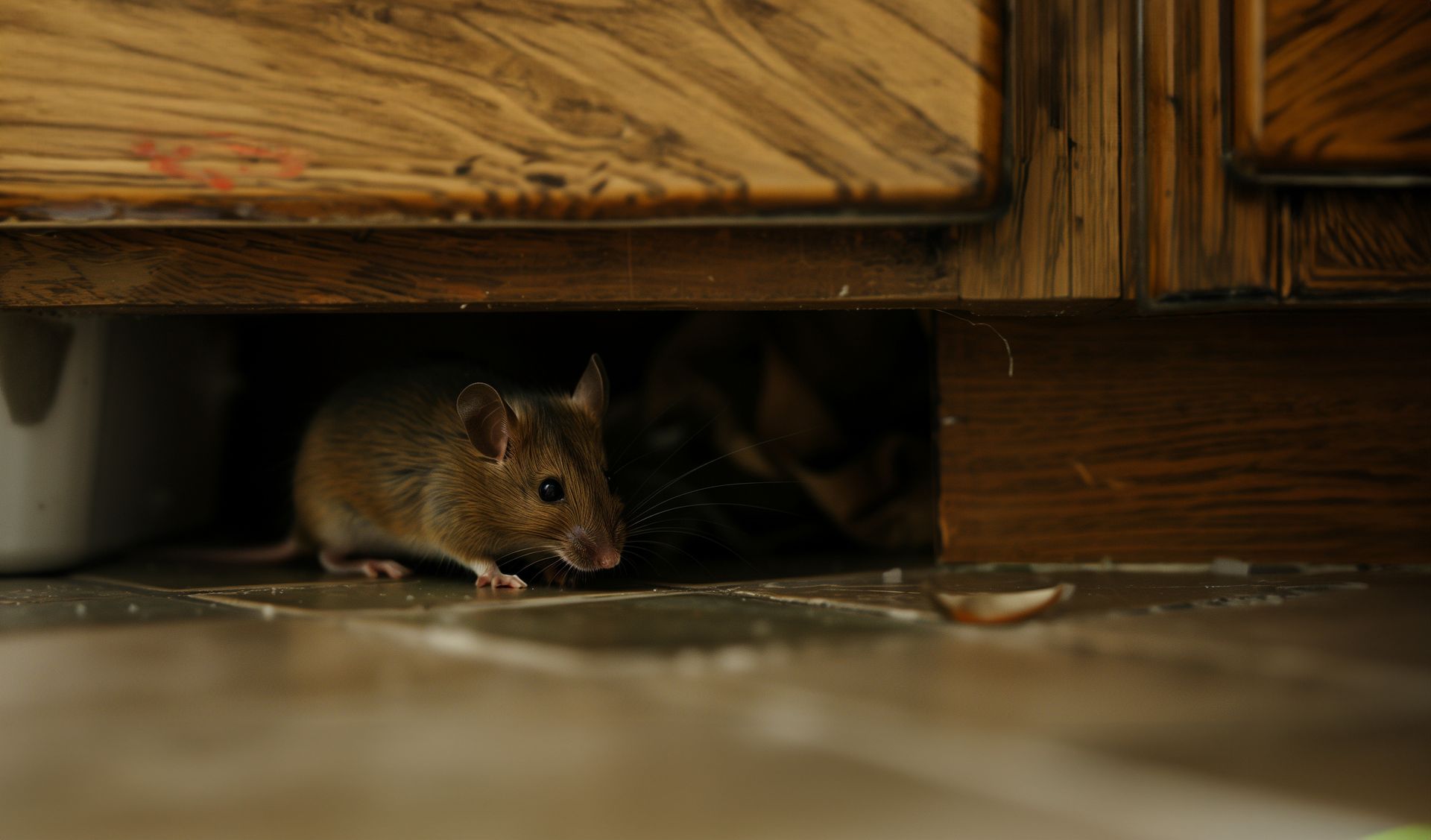
Indoor evidence can reveal how rodents are moving after they enter. Mice and rats often follow protected edges, structural voids, plumbing runs, and areas hidden by stored materials. A single dropping or noise may not identify the entry point, but several clues in the same area can form a pattern that guides inspection.
Our team considers the location, age, and concentration of evidence rather than treating every sign as an isolated problem. This helps determine whether rodents are moving through one limited area or using several parts of the structure.
- Note fresh droppings near walls, cabinets, storage areas, or utility spaces
- Look for gnaw marks on wood, packaging, insulation, or other materials
- Check for greasy rub marks along repeated paths near walls or framing
- Inspect insulation for disturbed sections or material gathered for nesting
- Listen for scratching in ceilings, wall voids, attics, or enclosed areas
- Compare signs in nearby rooms to determine whether movement is connected
This process improves rodent control because treatment and exclusion can be planned around actual travel behavior. Simply addressing the room where a rodent was seen may leave the original access route untouched. A professional assessment can trace the broader pathway and determine where trapping, exclusion, monitoring, or follow-up work should be concentrated.
Recheck Seasonal Weak Points Before Winter Sets In
Cold conditions can increase pressure on structures as rodents search for protected shelter. Our service region includes areas of Idaho, Wyoming, and Montana where seasonal temperature changes can be significant. As winter approaches, openings around garages, crawl spaces, utility areas, and exterior building transitions deserve particular attention because they may become more attractive routes into warmer spaces.
The discussion of winter rodent activity also shows why late-fall inspection is useful before colder conditions become established.
- Inspect exterior doors for worn weatherstripping or uneven bottom seals
- Review crawl-space access panels for warping, gaps, or loose-fitting edges
- Check attached garages for openings hidden behind stored items or equipment
- Examine utility rooms where exterior penetrations connect with interior spaces
- Revisit previously repaired gaps to confirm materials remain secure and intact
- Look for new evidence near sheltered exterior areas before snow or freezing weather
Professional evaluation is especially useful at this stage because several small conditions may be contributing to the same problem. Our technicians can compare exterior openings with indoor evidence, determine which routes appear active, and prioritize the corrective work. This reduces guesswork and supports a long-term strategy rather than a one-time response after rodents have already become established indoors.
Finding entry points before winter also gives property owners a clearer picture of where prevention efforts matter most. When exclusion is based on inspection findings and followed by appropriate monitoring, the structure becomes less accessible without relying on assumptions about where rodents might be entering.
Keep Winter Rodents From Settling In
Rodent problems are easier to address when entry routes are identified before activity spreads through hidden spaces. For professional inspection, exclusion, and a rodent control plan suited to the property, contact Prominent Pest Solutions.