How Commercial Pest Control Helps Reduce Summer Complaints
Summer can create a noticeable rise in pest complaints for businesses. Warmer temperatures, longer daylight hours, irrigation, increased foot traffic, open doors, outdoor dining, and seasonal landscaping can all make commercial properties more attractive to pests. Ants, mosquitoes, mice, spiders, wasps, cockroaches, silverfish, earwigs, fleas, and ticks can become more active around buildings and customer-facing areas.
Reliable pest control helps businesses respond before isolated sightings turn into repeated complaints. The most effective approach combines inspection, targeted treatment, exclusion, sanitation awareness, and follow-up. That gives property managers and business owners a clearer picture of why pests are appearing and what conditions need attention.

Summer Activity Often Starts Around Exterior Areas
Many commercial pest problems begin outside before moving toward entrances, storage areas, kitchens, offices, or utility spaces. Landscaping, dumpsters, loading zones, irrigation, shaded walls, and exterior lighting can all influence where pests gather.
Common summer pressure points include:
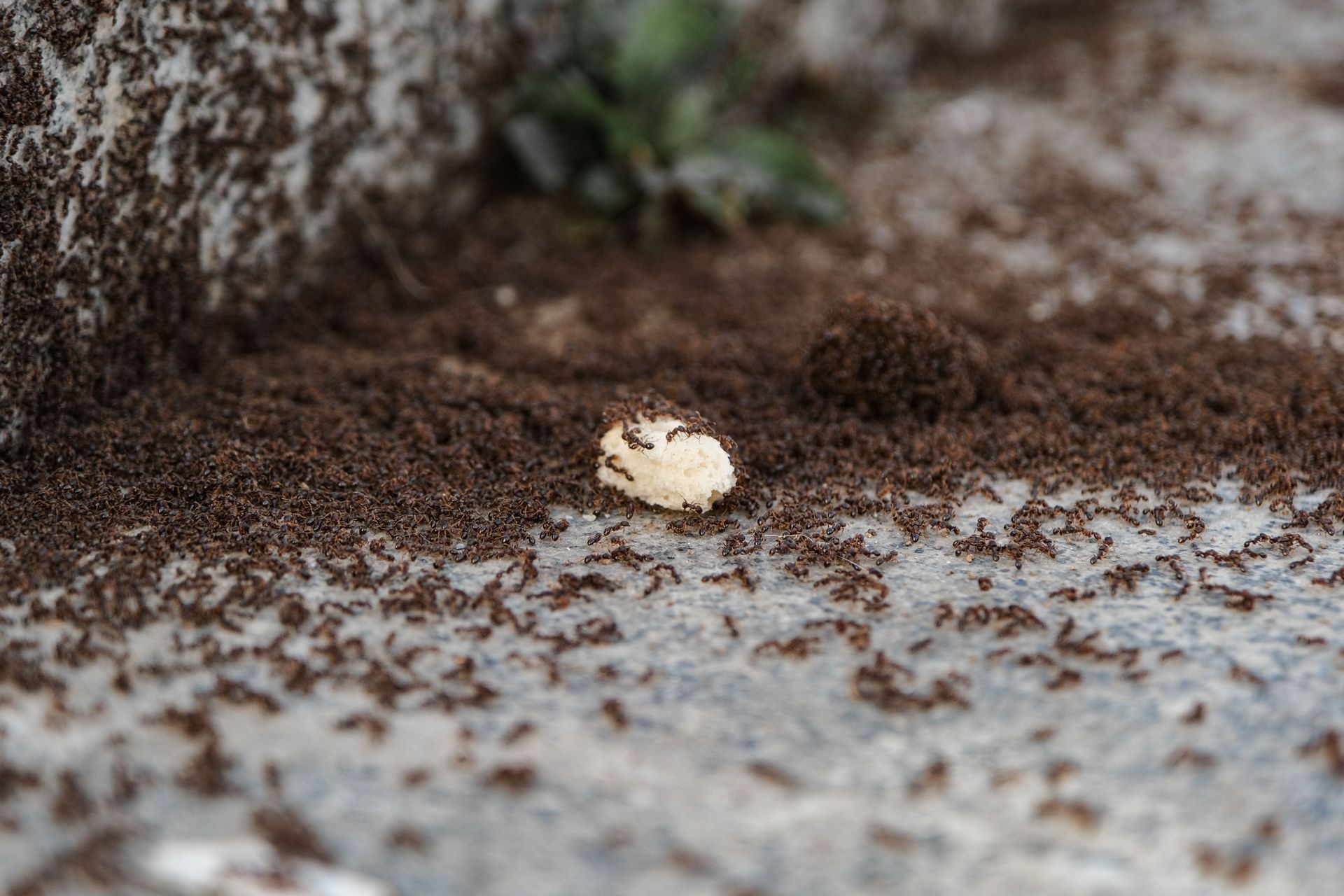
- Ant trails near sidewalks, doors, and food-service areas
- Wasps nesting around eaves, signs, and landscape structures
- Mosquitoes gathering near irrigation and standing water
- Spiders settling where flying insects provide steady prey
- Earwigs and silverfish using damp, protected perimeter areas
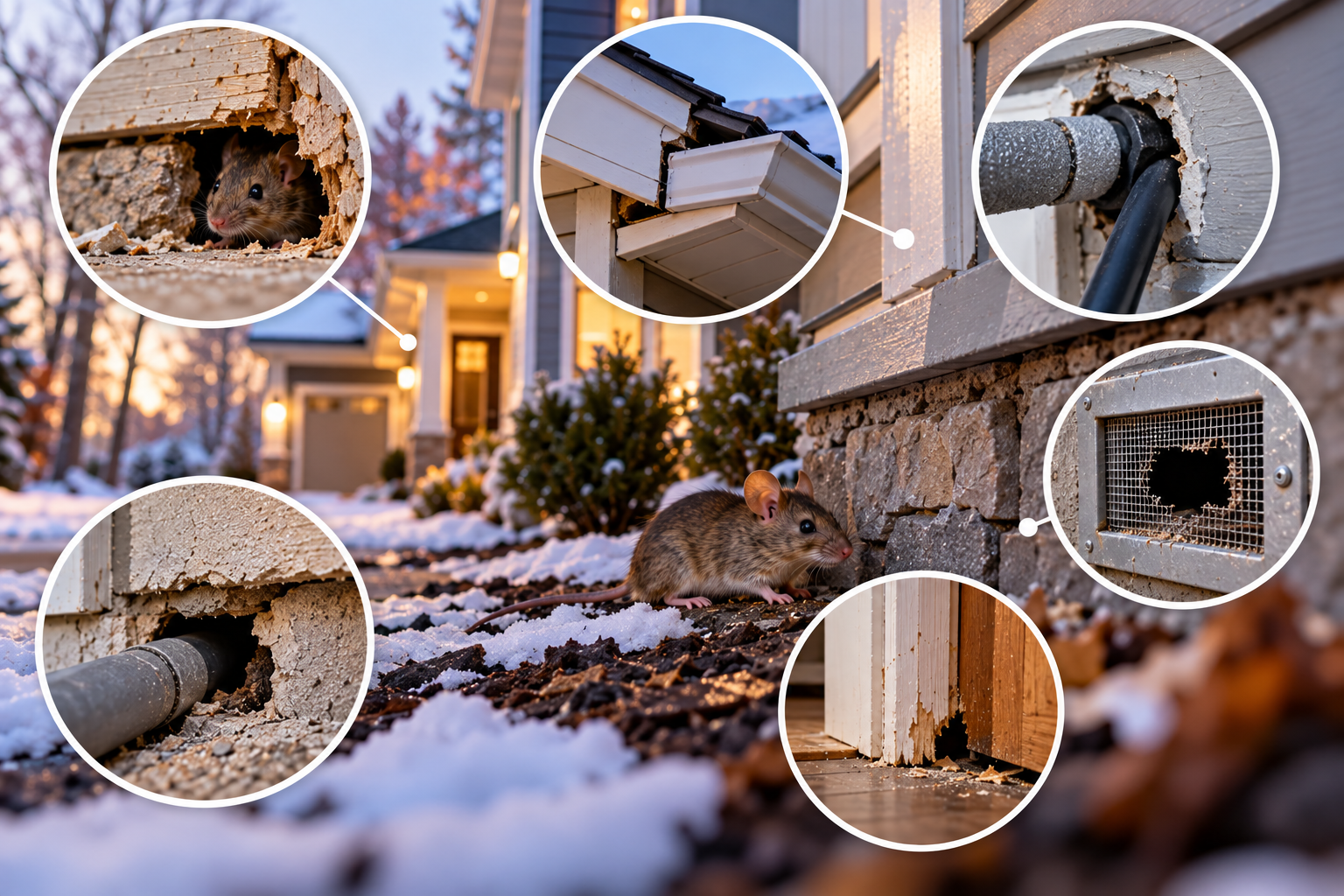
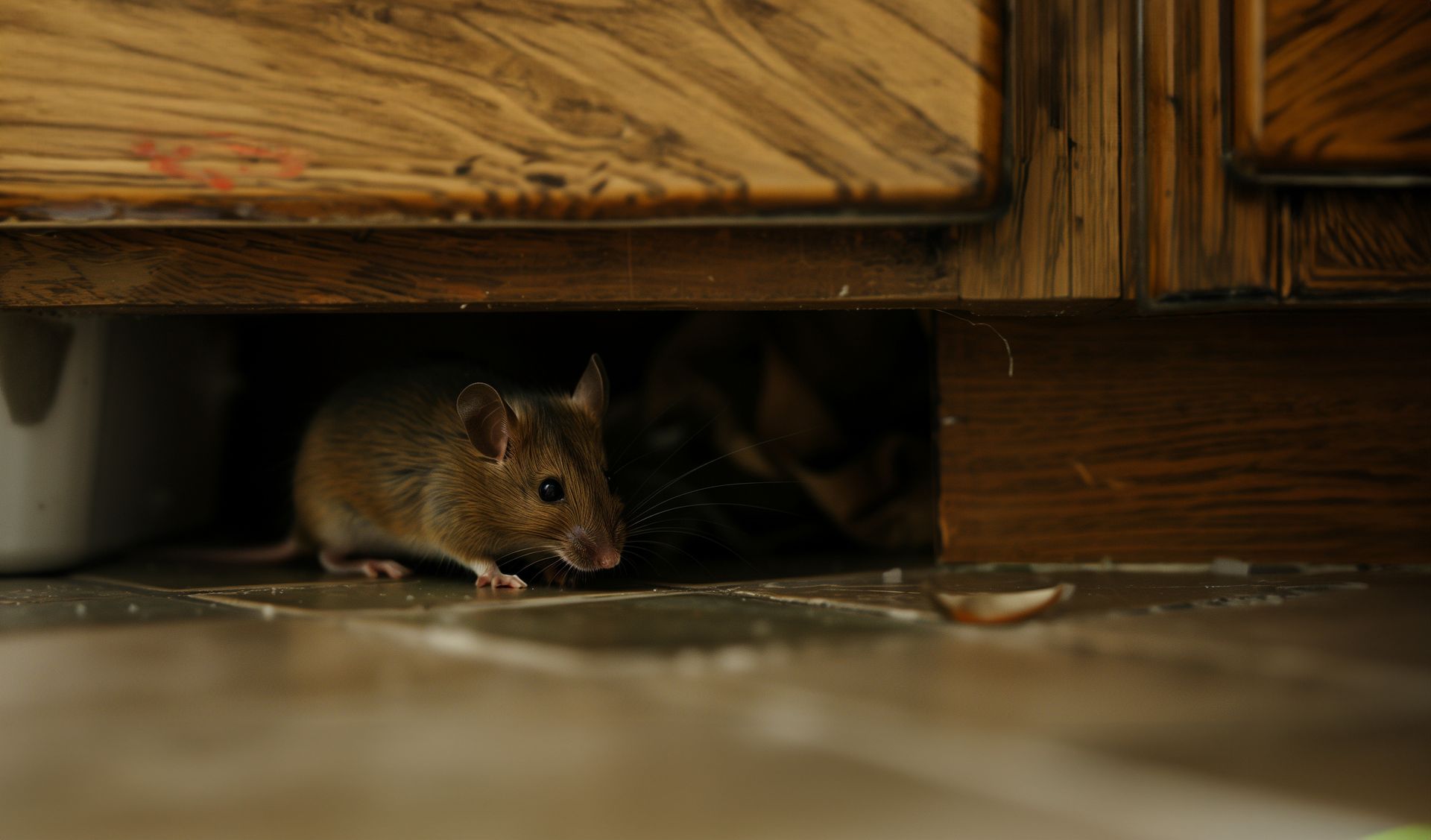
- Mice testing gaps around doors, utility lines, and storage zones
Understanding seasonal pest pressure helps explain why exterior inspections are so important. When technicians identify nesting areas, moisture, access points, and active travel routes early, treatment can be focused before pests become more noticeable indoors.
Consistent Service Helps Reduce Repeat Customer Complaints
A single sighting can affect how customers, tenants, or employees view a property, especially in restaurants, offices, retail spaces, apartment communities, and other high-traffic settings. Repeated sightings can create the impression that the problem is not being managed.
Scheduled pest control creates continuity. Technicians can compare current findings with earlier visits, note changes in pest activity, and adjust service as summer conditions shift. That is more efficient than treating each complaint as an unrelated event.
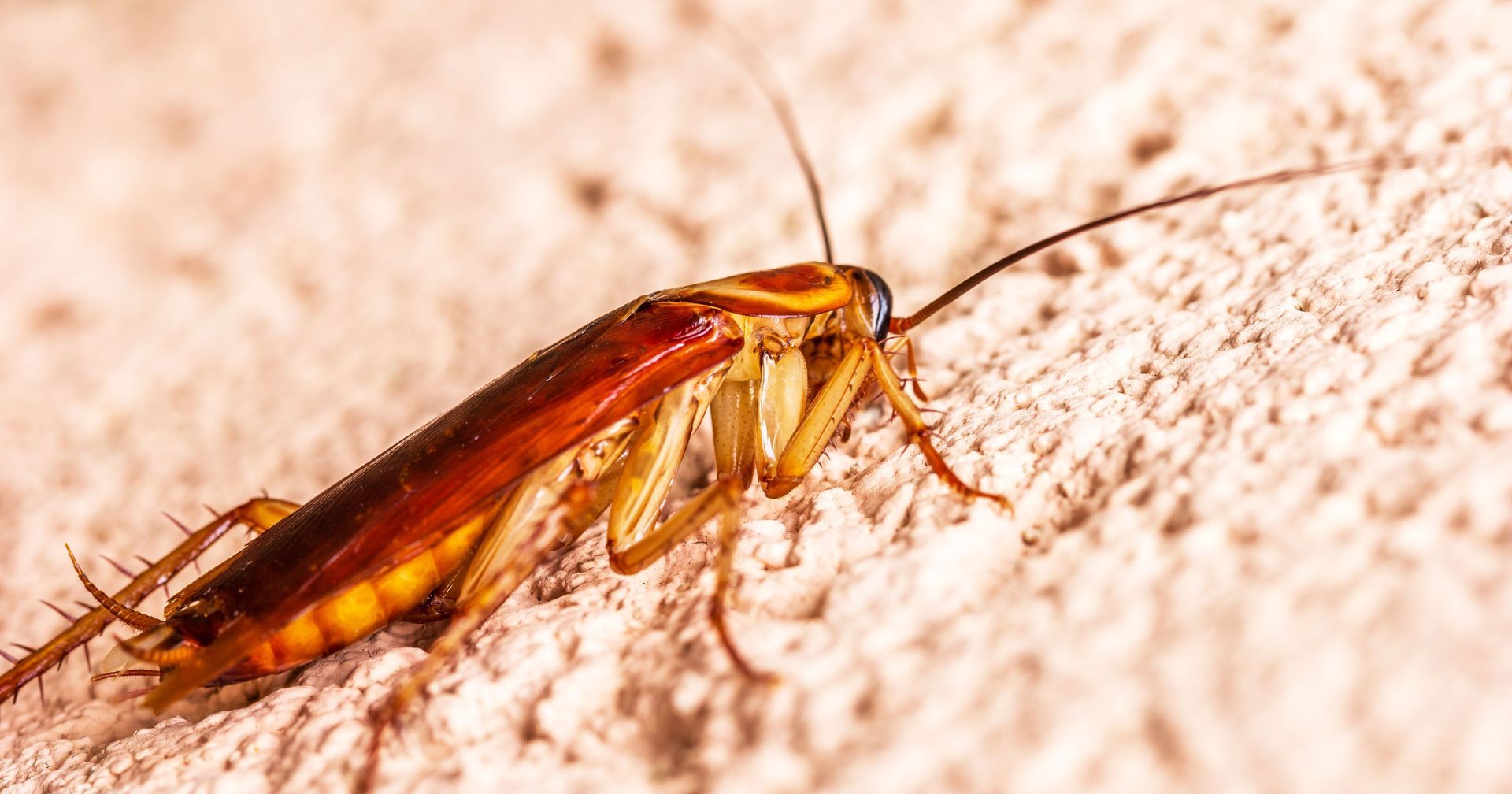
Documentation also helps managers recognize patterns. If ants continue appearing near one entrance, for example, the source may involve landscaping, moisture, or a structural gap. If cockroaches remain near a utility area, technicians can evaluate food, water, shelter, and access rather than repeatedly treating only the visible insects.
Moisture, Waste, And Landscaping Can Drive Pest Pressure
Commercial properties often have multiple areas that provide pests with food, water, or shelter. Summer irrigation and higher temperatures can make those resources even more important.
Management priorities may include:
- Keeping dumpster areas clean and lids properly closed
- Correcting irrigation leaks and persistent pooling
- Trimming vegetation away from walls and entry points
- Reducing clutter near storage and utility areas
- Monitoring door seals, vents, and exterior penetrations
- Addressing food residue around break rooms or service areas
Professional inspections help determine which of these conditions are actually contributing to activity. That keeps corrective work practical and prevents unnecessary changes that do not address the source.
For businesses, this matters because pest complaints are often symptoms of environmental conditions that continue in the background. Reducing those conditions can support more stable long-term results.
Summer Prevention Works Best As Part Of Year-Round Planning
Although complaints may rise during summer, pest pressure does not disappear when temperatures drop. Cooler weather can push rodents, cockroaches, spiders, silverfish, and other pests toward protected indoor areas.
Guidance on winter pest protection reinforces an important principle for commercial properties too: prevention is strongest when seasonal changes are anticipated instead of treated as isolated events.
A professional can use summer findings to prepare for later pressure. Entry points discovered during an ant or wasp inspection may also matter when mice seek shelter. Moisture issues that support summer insects may continue affecting indoor areas during colder months. This seasonal perspective helps businesses avoid restarting the process with every weather change.
A Structured Pest Plan Protects Daily Operations
Commercial pest management works best when responsibilities, inspection points, treatment methods, and follow-up are clearly organized. That creates a repeatable process for handling both routine activity and unexpected complaints.
A stronger plan may include:
- Inspecting high-risk exterior and interior areas on schedule
- Recording pest sightings and recurring complaint locations
- Applying targeted treatment based on verified activity
- Correcting entry points, moisture, and sanitation concerns
- Adjusting service as weather and landscaping change
- Reviewing results during follow-up visits
Professional pest control also helps businesses avoid one-size-fits-all responses. A wasp nest near an entrance requires a different strategy from ants near a break room, mosquitoes near irrigation, or mice around storage areas. Matching the response to the pest and location improves efficiency while limiting unnecessary disruption.
The goal is not simply to react faster when someone reports a pest. It is to reduce the conditions that make repeated complaints likely in the first place. With routine inspections, targeted treatment, and seasonal follow-up, businesses can keep pest activity more controlled and maintain cleaner, more comfortable spaces through the busiest months of summer.
Keep Summer Complaints From Becoming A Pattern
If seasonal pests are creating recurring concerns around your business, contact Prominent Pest Solutions for professional pest control, targeted treatment, and long-term prevention based on your property's activity.