What Fall Tree Damage Should Property Owners Watch For?
Fall can make tree problems easier to notice because foliage is changing, growth is slowing, and damage that blended into summer greenery may stand out more clearly. Some leaf drop is normal, but early thinning, unusual discoloration, bark damage, or repeated decline can point to pests or stress that deserves a closer look.
Our team approaches fall tree damage by comparing visible symptoms with the condition of leaves, branches, bark, soil, and roots. Aphids, scale insects, spider mites, borers, beetles, grubs, and other outdoor pests can affect trees and nearby landscapes in different ways. Professional inspection helps separate seasonal change from pest feeding, root stress, disease pressure, or other conditions that may be contributing to decline.
Leaf Changes Can Reveal More Than Normal Seasonal Color
Leaves are often the first place property owners notice something unusual. Yellowing, browning, stippling, curling, distorted growth, sticky residue, or early leaf drop can all indicate that pests are feeding on foliage or plant fluids. Aphids, scale insects, and spider mites can create different symptoms, while beetles and other chewing pests may leave more obvious feeding damage.
Our guide to tree pest clues explains why unexpected thinning or early leaf loss should be compared with the type of damage visible on the tree.
Signs worth watching include:
- Leaves turning yellow or brown earlier than expected
- Fine stippling or bronzing across sections of foliage
- Curling or distorted new growth
- Sticky residue or dark sooty buildup on leaves
- Uneven canopy thinning across one side of the tree
- Repeated leaf drop during the growing season
These symptoms do not always mean insects are responsible, which is why accurate diagnosis matters before treatment begins.
Bark, Branch, And Root Problems Can Point To Deeper Stress
Fall tree damage is not limited to the canopy. Borers and beetles may affect bark or internal tissues, while root stress can weaken the tree from below. Compacted soil, drought, poor irrigation, damaged roots, or recurring grub activity can reduce vigor and make trees less able to recover from insect feeding.
Our technicians inspect both above-ground and below-ground conditions because visible decline may have more than one cause.
Important warning signs can include:
- Small holes, frass, or damaged bark along trunks and branches
- Dead or declining branch tips with no obvious storm damage
- Soil compaction around the root zone
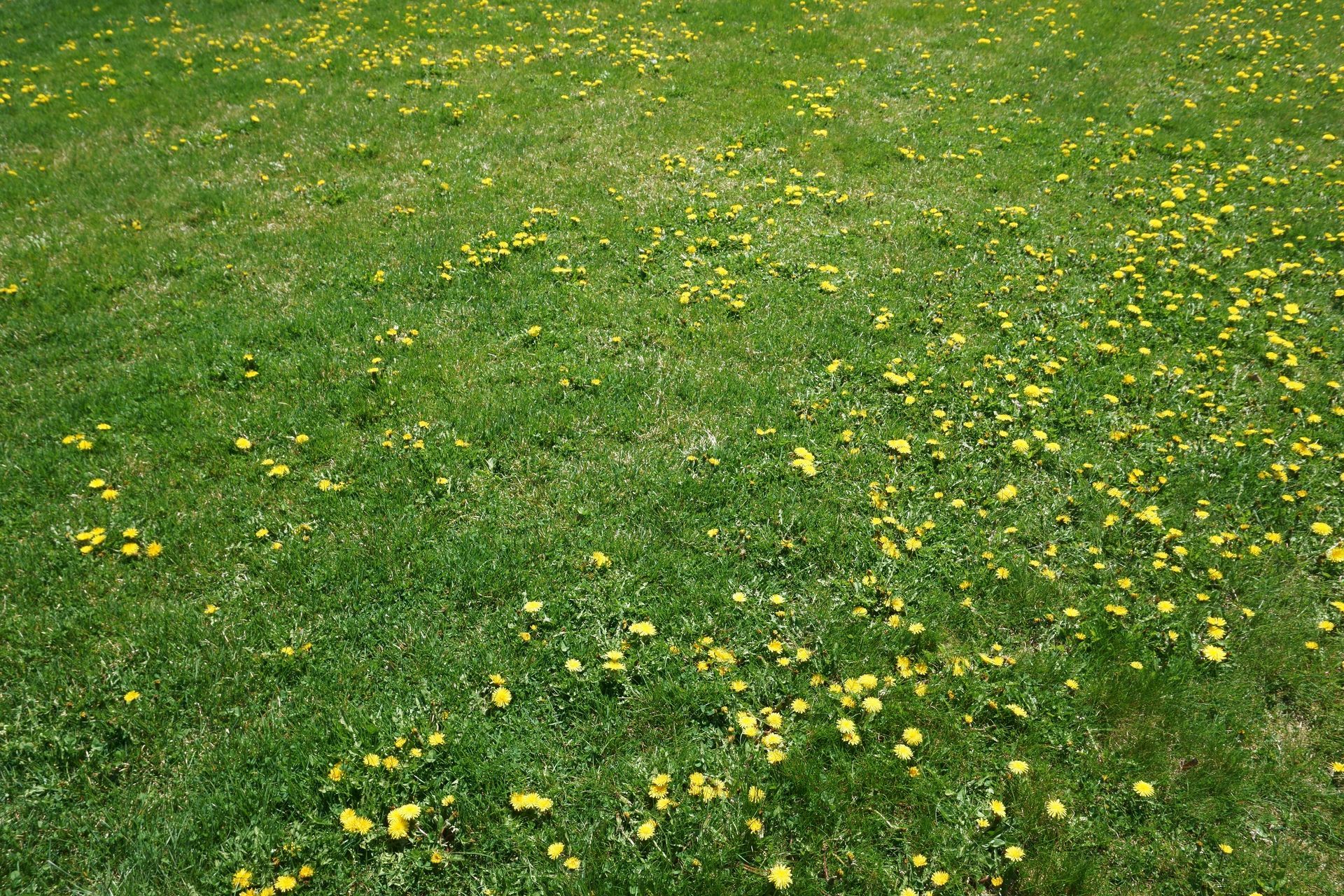
- Turf damage near trees where grubs may be feeding underground
- Poor irrigation coverage or overly wet soil around roots
- Repeated decline despite normal watering and seasonal care
Treating leaves alone will not correct root stress, and improving soil conditions will not remove active insects attacking bark or foliage. A complete evaluation helps determine which problem needs attention first.
Seasonal Pest Pressure Can Affect Trees And The Rest Of The Property
Tree health is connected to the wider landscape. Temperature changes, moisture, vegetation, and seasonal pest activity can influence lawns, shrubs, trees, and structures at the same time. Our article on seasonal pest pressure explains why fall is a useful time to review outdoor activity before pests move toward more protected areas.
A professional fall assessment may include:
- Inspecting leaves, bark, branches, and the root zone
- Identifying pest species or ruling out insect activity
- Checking irrigation, soil condition, and nearby turf
- Evaluating canopy thinning or branch decline
- Reviewing exterior pest pressure around the property
- Planning follow-up when symptoms may change with the season
This wider view helps our team avoid treating one symptom while another condition continues weakening the tree.
Fall also makes timing important. Some pests become less visible as temperatures drop, while others overwinter in protected stages and return when conditions improve. Dormant oil applications may be appropriate for certain overwintering insects such as aphids, scale, or mites when timing and tree condition support that approach. Other problems may require targeted treatment during active feeding periods instead.
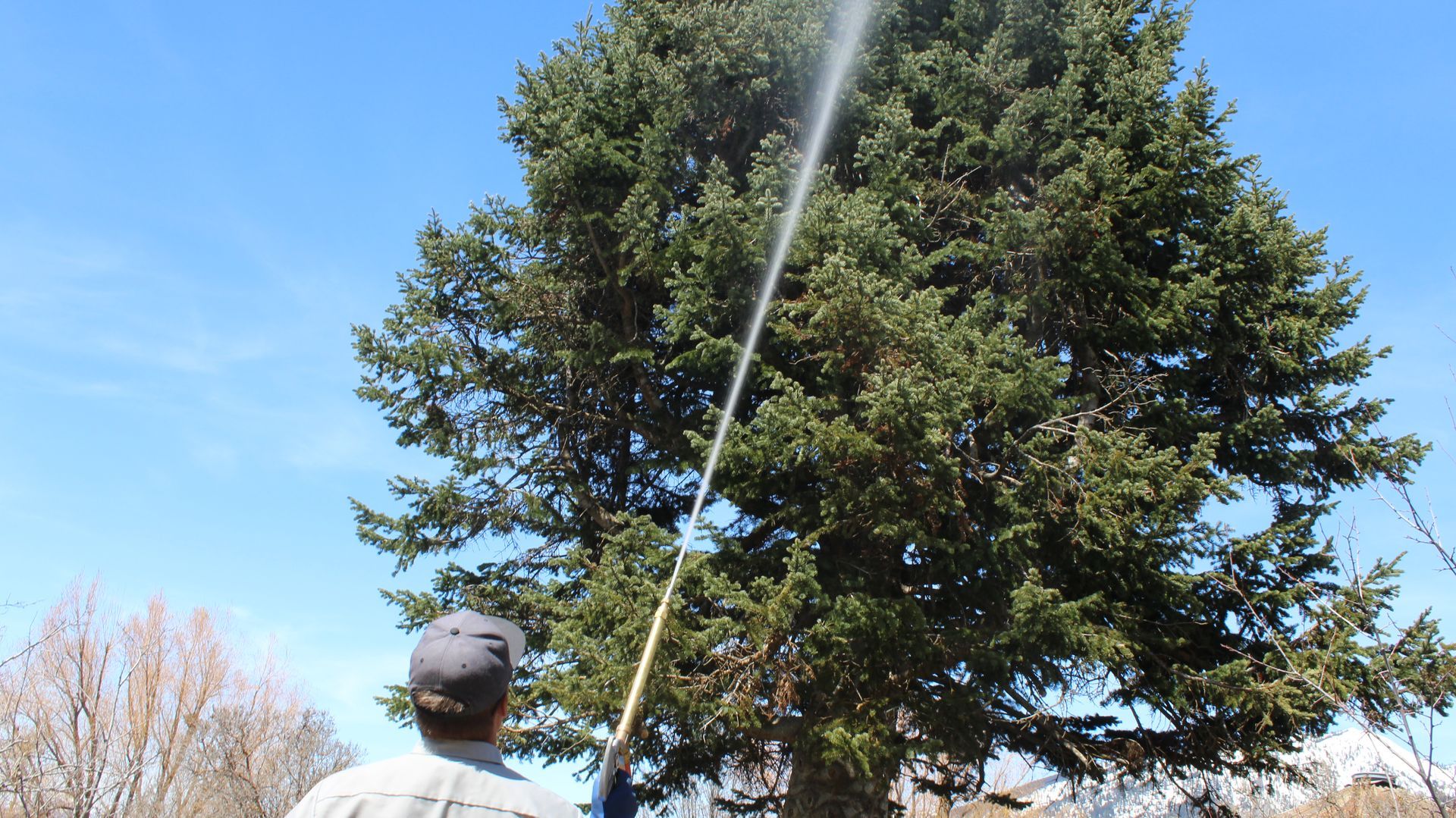
Professional tree care can also include deep-root fertilization, disease prevention, tree spraying, and seasonal protection when those services match the diagnosis. The goal is not to apply every treatment available. It is to identify what is actually stressing the tree and select the most useful response.
Property owners should also watch for patterns rather than isolated symptoms. One damaged leaf may not mean much, but repeated thinning, continuing bark injury, or decline across several branches deserves attention. Likewise, a lawn with grub damage near a stressed tree may suggest that the root zone and surrounding soil need closer inspection.
Long-term tree health depends on accurate diagnosis, appropriate timing, and follow-up. Professional assessment is especially useful when fall tree damage is difficult to separate from normal seasonal change. By comparing foliage, bark, roots, soil, and pest activity, our technicians can determine whether the tree needs pest treatment, nutritional support, disease prevention, monitoring, or another form of care.
Give Fall Tree Damage A Professional Second Look
If your trees are showing unusual leaf loss, bark damage, thinning, or other signs of stress this fall, contact Prominent Pest Solutions for professional tree care, pest treatment, seasonal protection, and long-term monitoring.