Preventing An Ant Infestation In Your Home
Defend Your Home: A Comprehensive Guide To Avoiding Ant Infestations In Idaho

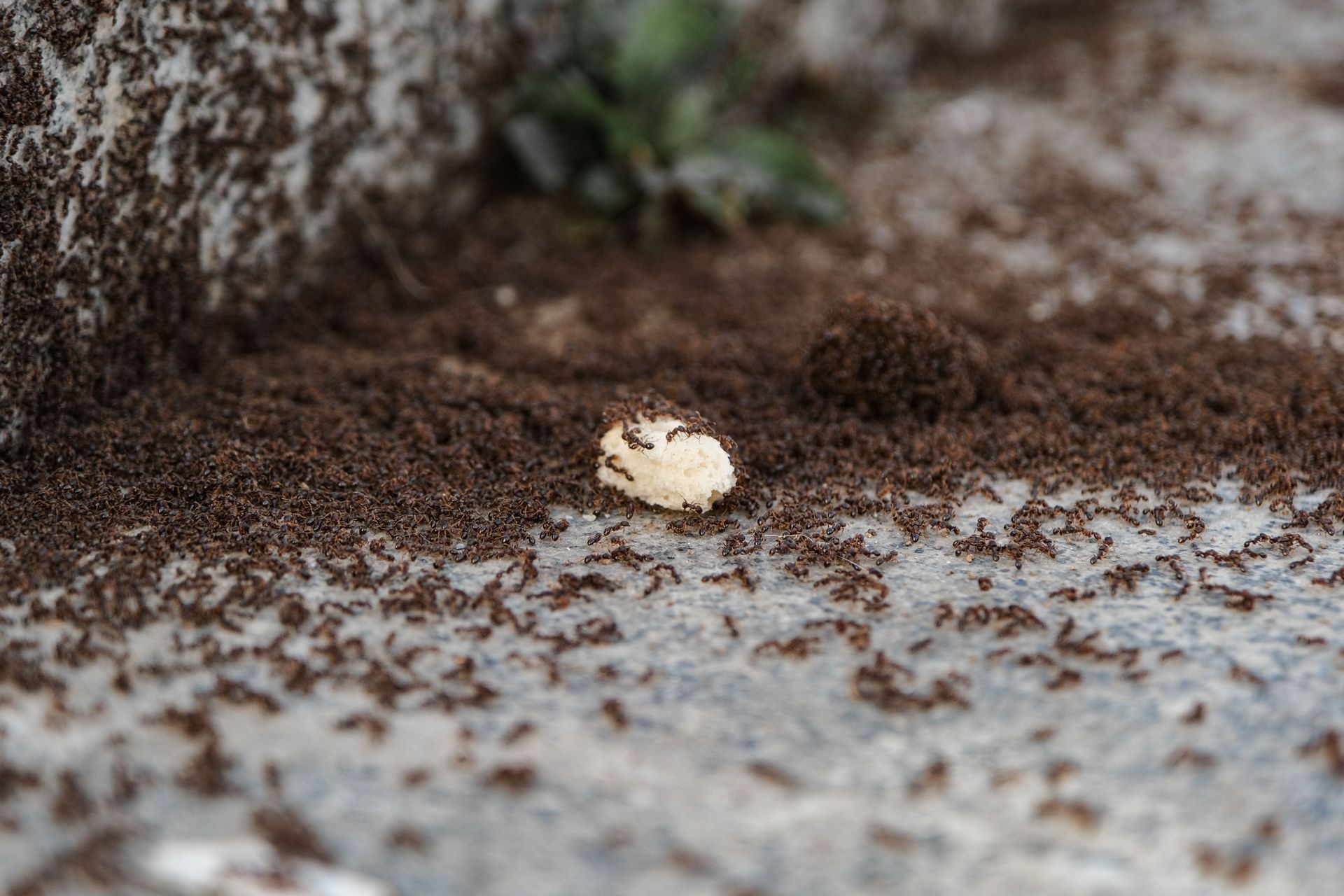
Introduction: Ants might be tiny, but when they invade your home, they can become a big problem. In Idaho, where the picturesque landscapes often come hand-in-hand with a variety of pests, including ants, it’s essential to be proactive in preventing these unwanted guests. This article aims to provide you with practical tips and insights to keep your home ant-free and enjoy a pest-free living environment.
1. Understand the Ants: Not all ants are created equal. Understanding the types of ants that commonly infest homes in Idaho can help you devise effective prevention strategies. Common ant species in the region include odorous house ants, pavement ants, and carpenter ants. Each species has unique behaviors and preferences that impact how they enter and thrive in your home.
2. Maintain Cleanliness: Ants are drawn to food and water sources. Keep your kitchen and dining areas clean by wiping down surfaces, sweeping floors, and promptly cleaning up spills. Store food in airtight containers and consider using ant-proof containers for particularly attractive items like sugar and honey. Regularly empty your garbage and ensure your trash cans have tight-fitting lids.
3. Seal Entry Points: Ants are skilled at finding their way indoors through tiny cracks and gaps. Thoroughly inspect your home’s exterior and seal any openings you find. Pay special attention to areas around windows, doors, utility lines, and where pipes enter the building. Silicone caulk or weatherstripping can be valuable tools in this process.
4. Trim Vegetation: Ants often use branches and shrubs as bridges to access your home. Keep vegetation trimmed and away from your house’s exterior to minimize ant pathways. Additionally, make sure trees don’t touch your roof, as this can provide ants with easy access.
5. Properly Store Firewood: Firewood stored near your home can attract ants and other pests. Keep firewood at least 20 feet away from your house and elevate it off the ground. This not only helps prevent ants from infesting the wood but also keeps other pests like termites at bay.
6. Repair Moisture Issues: Some ant species are attracted to moisture. Regularly check for leaks, whether from plumbing or roofing, and promptly address them. Repairing moisture issues can go a long way in deterring ant infestations.
7. Remove Clutter: Piles of clutter can create cozy hiding spots for ants. Keep your living spaces organized and clutter-free. Vacuum regularly and don’t forget to clean beneath furniture and appliances where crumbs can accumulate.
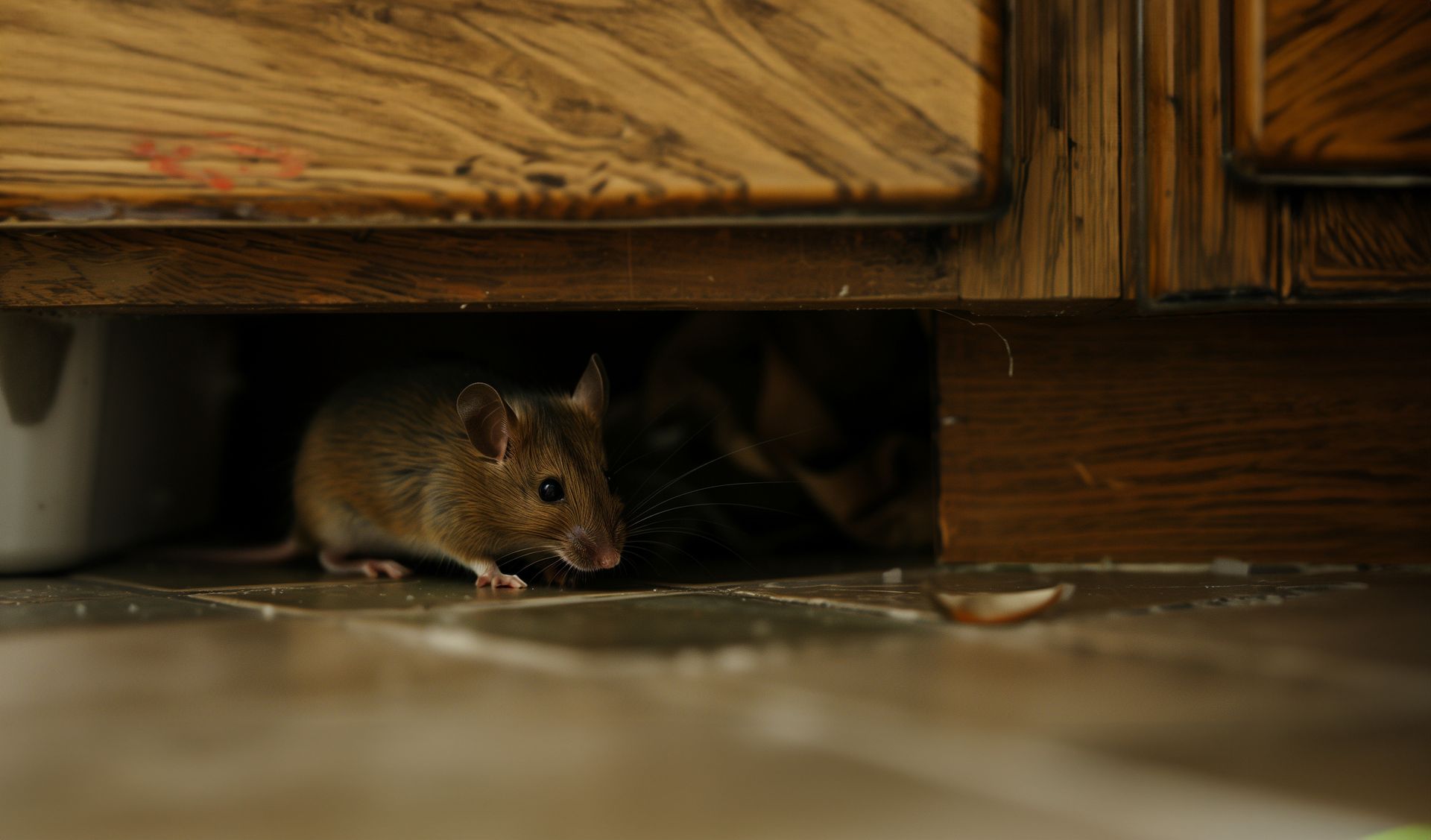
8. Professional Inspection and Treatment: Even with the best prevention efforts, ants might find their way in. A professional pest control company in Idaho can provide regular inspections and targeted treatments to keep ants and other pests at bay. Their expertise ensures effective solutions while minimizing the use of harmful chemicals.
Conclusion: Preventing ant infestations in Idaho requires a combination of vigilance, cleanliness, and strategic maintenance. By understanding the behavior of ants and following these practical tips, you can create an environment that’s far less inviting to these unwanted pests. Remember, a little prevention now can save you a lot of hassle in the long run, ensuring your home remains a sanctuary free from ant invasions.