How Spiders Move Indoors During Cooler Temperatures
Cooler temperatures can change where spiders spend their time around Idaho, Wyoming, and Montana homes. Garages, basements, storage rooms, crawl spaces, wall edges, and other protected areas may become more attractive as outdoor conditions shift. Spiders can also follow insect prey toward structures, especially when doors, vents, foundation gaps, or utility openings provide easy access.
Our team approaches spider control by looking at more than the web itself. We inspect where spiders are appearing, what insect activity is nearby, and which structural conditions may be helping them move indoors. Professional inspection helps distinguish an occasional sighting from a pattern connected to prey, shelter, or repeated entry.
Cooler Weather Can Shift Spiders Toward Protected Spaces
Spiders do not necessarily move indoors simply because the air turns cold. Many species respond to changing shelter, prey availability, and temperature stability. Garages, basements, and storage areas can offer quieter conditions than exposed outdoor spaces, while the insects spiders feed on may also move closer to buildings as fall progresses.
Our guide to fall pest protection explains how seasonal changes can increase pressure around foundations, garages, crawl spaces, wall voids, and other sheltered areas.
Common fall pressure points include:
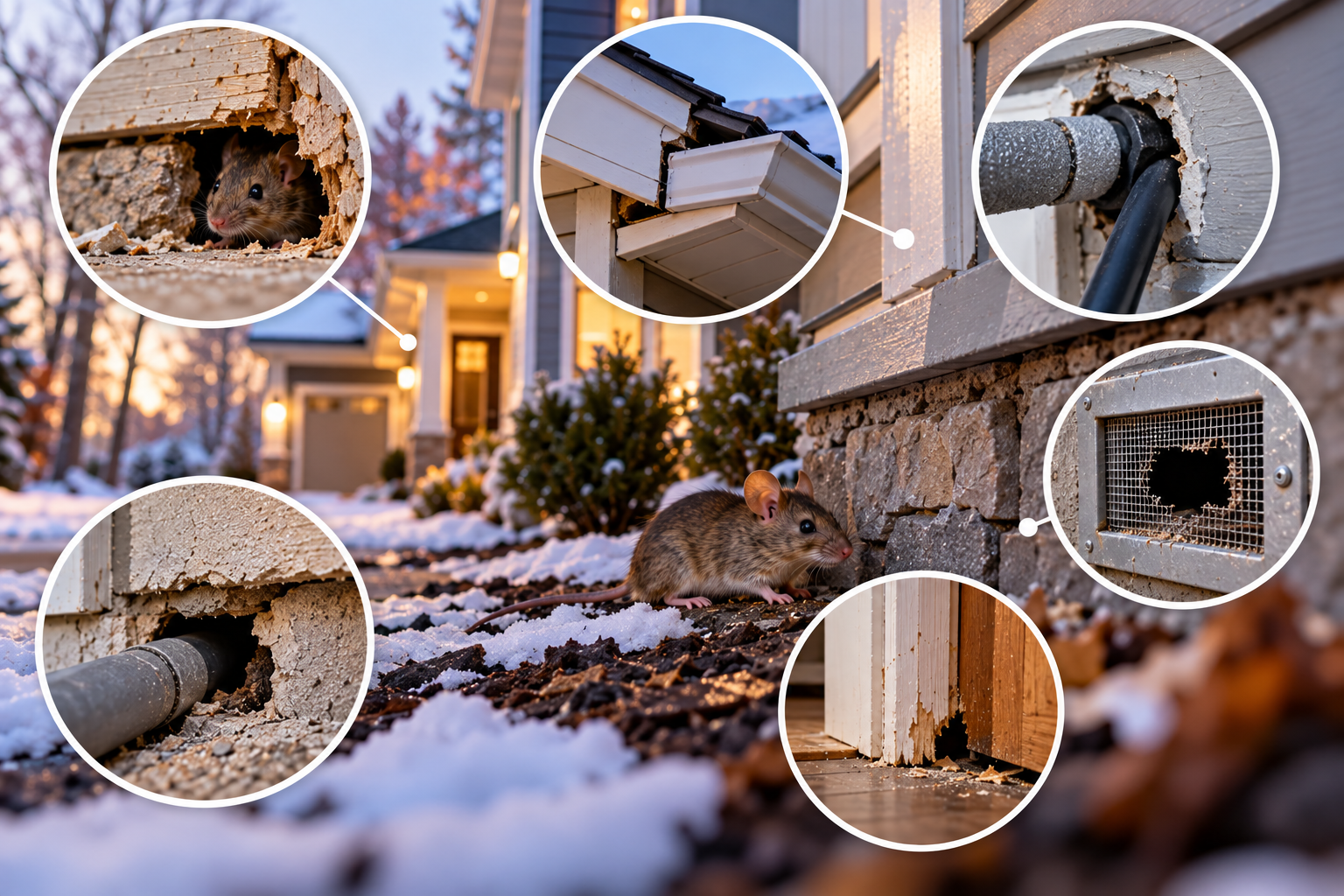
- Garage-door edges with worn seals or small openings
- Foundation cracks that lead toward protected interior spaces
- Utility penetrations around pipes, cables, and wiring
- Basement corners with steady insect activity
- Exterior lights that attract flying insects after dark
- Storage areas that remain quiet for long periods
These conditions can give spiders both access and a reason to remain once they enter.
Prey Activity Often Determines Where Spiders Settle Indoors
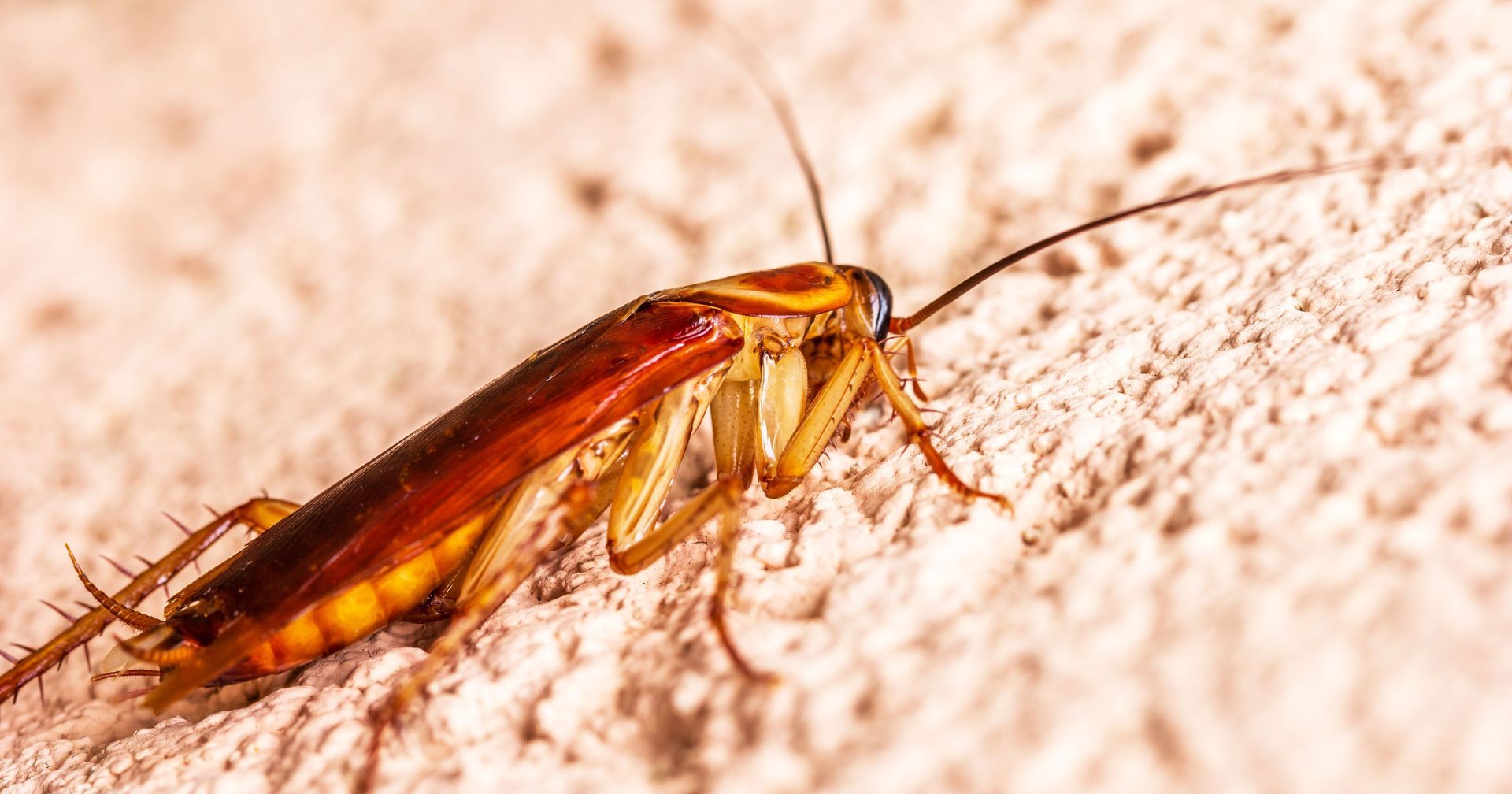
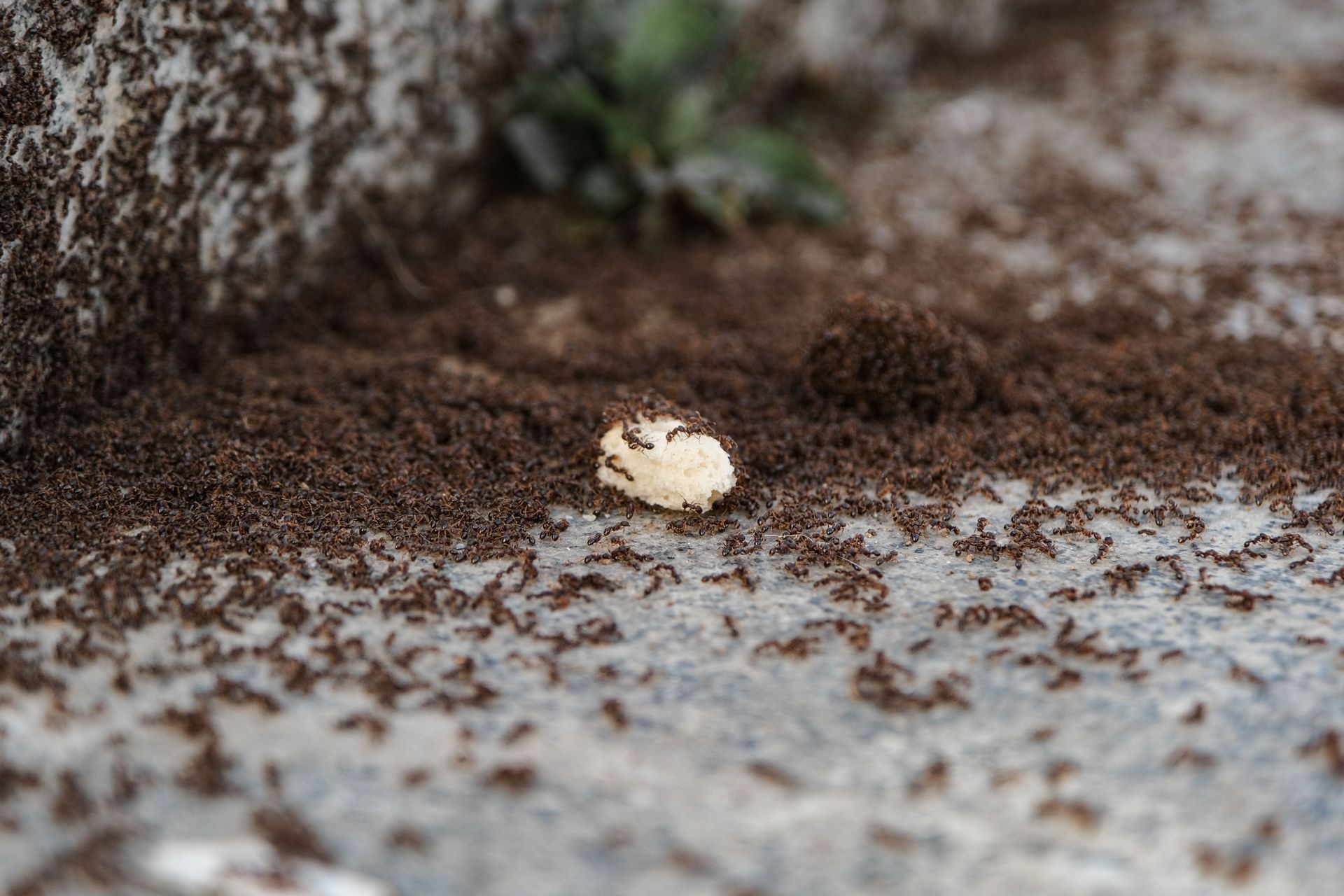
Spiders stay where food is available. Ants, cockroaches, earwigs, silverfish, mosquitoes, and other small insects can become prey around garages, basements, windows, and exterior walls. If those pests gather near a doorway, light source, damp area, or foundation gap, spiders may follow.
Our technicians therefore evaluate the surrounding pest activity as part of spider control. Treating one visible spider may provide short-term relief, but recurring webs or sightings often point to a continuing prey source or dependable shelter nearby.
Conditions that can support indoor spider activity include:
- Exterior lighting that attracts insects close to doors and windows
- Damp basement or crawl-space areas where insects remain active
- Cardboard boxes and stored items that create low-disturbance shelter
- Gaps around vents, windows, and garage-door frames
- Vegetation or debris touching exterior walls
- Repeated insect activity along foundations or patios
Reducing prey pressure helps make the property less useful to spiders over time.
Professional Inspection Helps Find The Routes Behind Repeat Sightings
A second look at fall inspection timing shows why seasonal pest control is most effective when technicians inspect before activity becomes established indoors. Spider sightings can reveal where prey and access overlap, but those clues are easier to interpret when the surrounding structure is evaluated at the same time.
A professional spider-control plan may include:
- Identifying active spider areas and recurring web locations
- Checking exterior routes where spiders and prey gather
- Treating confirmed interior and exterior activity zones
- Strengthening perimeter protection around the structure
- Removing webs where appropriate during service
- Rechecking problem areas as seasonal conditions change
Our team also considers the spider involved. Many local spiders are harmless, but hobo spiders and black widows deserve additional caution. Accurate identification helps determine where treatment should be concentrated and whether nearby shelter or prey conditions need attention.
Cooler weather can also make spider activity seem inconsistent. A warm afternoon may increase movement outdoors, while a colder night can shift activity toward garages, basements, or wall edges. That back-and-forth pattern can make a problem look temporary even when the underlying access point remains unchanged.
Professional monitoring helps reveal whether activity is actually declining. Fresh webs, recurring sightings near the same doorway, or repeated insects around one light source can point to a dependable route or food source. Comparing those patterns over time helps our technicians focus treatment where evidence is strongest rather than applying products broadly.
Exterior conditions matter as well. Bark areas, irrigated landscaping, dense vegetation, exterior lighting, and sheltered foundation edges can support insects that spiders use as food. When activity builds near the perimeter, small openings can become convenient pathways indoors.
Long-term spider control works best when treatment, exclusion, monitoring, and prey management support one another. Sealing confirmed openings and reducing clutter can help, but professional service is still important when active spiders or prey populations remain. The goal is not to treat every corner. It is to identify the places where spiders are entering, hiding, and feeding so the response stays targeted.
Cooler temperatures do not mean every spider will move indoors. They simply change the balance of shelter, prey, and access around the property. When the same garage, basement, storage room, or window area keeps showing activity, a professional inspection can reveal what is supporting the pattern and what needs to change.
Stop Seasonal Spider Pressure Before It Settles Indoors
If spider activity increases as temperatures fall, contact Prominent Pest Solutions for professional spider control focused on inspection, targeted treatment, exterior protection, and long-term monitoring.