Why Roach Problems Often Return After Surface Sprays
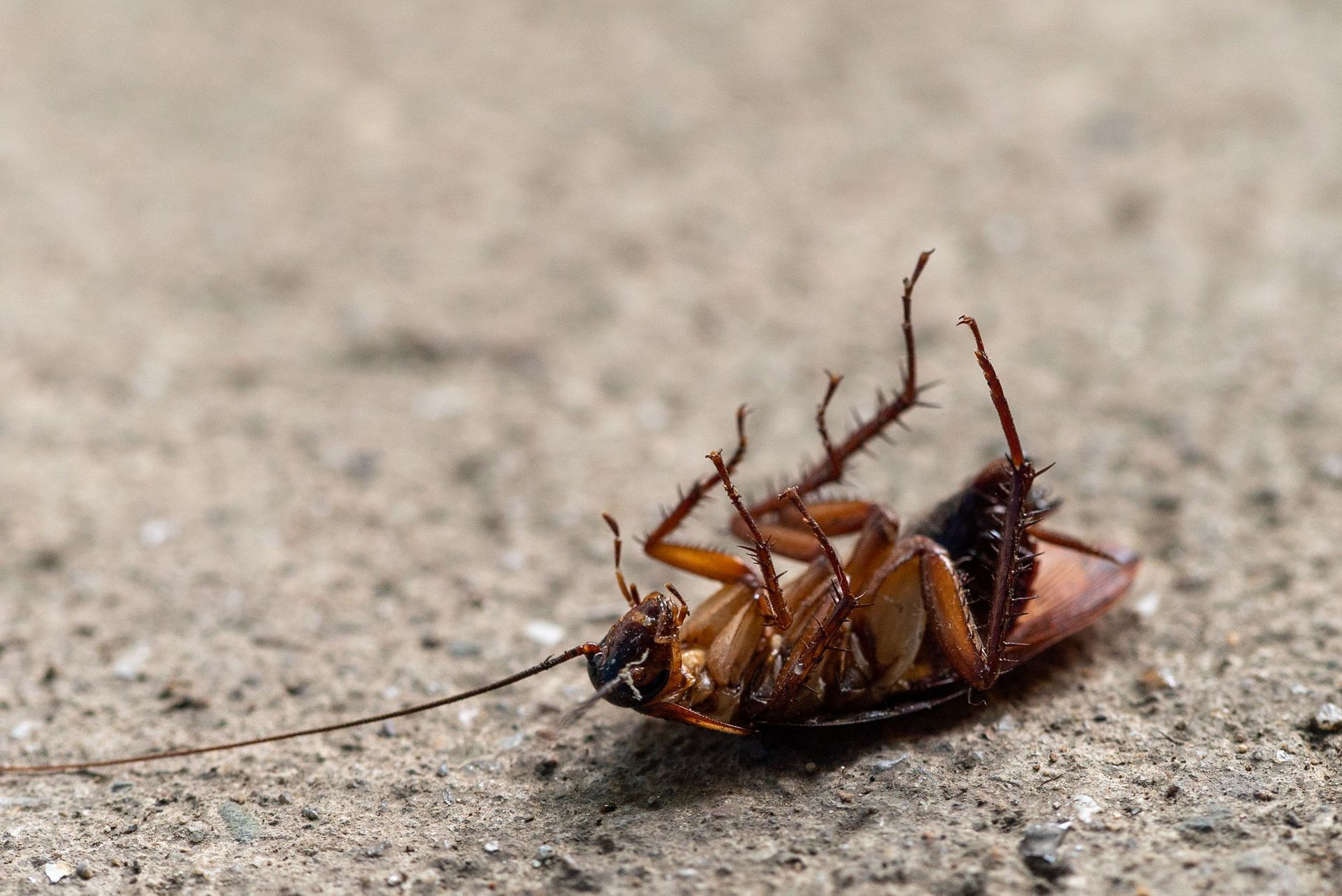
Seeing a cockroach after treatment can be frustrating, especially when visible insects seemed to disappear at first. The problem is that surface sprays usually affect only the roaches that cross treated areas. Cockroaches spend much of their time inside cabinet gaps, appliance voids, plumbing penetrations, wall spaces, basements, garages, and other protected areas where a quick surface application may never reach them.
Our team approaches roach control by looking for the conditions that keep the infestation active. Food residue, grease, moisture, warmth, clutter, egg cases, and concealed entry routes can all support recurring activity. Professional inspection helps us determine where cockroaches are hiding, which areas are connected, and what treatment method is most appropriate before another round of spraying is considered.
Surface Sprays Often Miss The Hidden Population
Cockroaches are highly effective at staying out of sight. Many remain tucked behind refrigerators, under sinks, around plumbing gaps, inside cabinets, or near warm appliance motors during the day. A surface spray may kill insects that emerge, but it may do little to the population protected inside these harborages.
Seasonal changes can make this problem more noticeable. Our guide to fall pest pressure explains how cooler weather can shift cockroaches and other pests toward more protected indoor spaces.
Signs that activity may extend beyond visible surfaces include:
- Droppings near cabinets, appliances, or wall edges
- Egg cases in dark, low-disturbance spaces
- Shed skins around kitchens, utility rooms, or storage areas
- Stale or musty odors near repeated activity zones
- Nighttime sightings after daytime treatment
- Roaches appearing in several connected rooms
These clues help our technicians trace the infestation toward the source instead of judging success by how many insects are visible immediately after treatment.
Food, Moisture, And Shelter Can Keep Roaches Coming Back
Cockroach activity often returns because the environment still supports it. Crumbs behind appliances, grease around cooking areas, pet food, leaking plumbing, condensation, cardboard storage, and clutter can all provide food, water, or shelter. Even a strong treatment can underperform if these conditions continue competing with baits or supporting hidden populations.
Our team reviews these factors during inspection because roach control is most effective when treatment and environmental correction support each other.
Important conditions may include:
- Moisture beneath sinks, near drains, or around utility lines
- Food residue behind refrigerators, ovens, or cabinets
- Open pet food or pantry items
- Cardboard and clutter that create protected hiding spaces
- Gaps around pipes, baseboards, and wall penetrations
- Outdoor activity near garages, foundations, or entry doors
Surface sprays do not correct these conditions. That is why recurring sightings often point to a larger issue than the last cockroach seen.
Targeted Treatment Reaches Areas Surface Applications Overlook
Effective indoor control depends on matching treatment to where cockroaches actually live and travel. Our article on targeted roach treatment explains why professional plans can include baiting, crack-and-crevice treatment, sanitation guidance, monitoring, and follow-up rather than one broad application.
Baits can be placed near confirmed travel routes and harborages, allowing foraging cockroaches to encounter treatment in concealed areas. Crack-and-crevice applications can reach cabinet seams, plumbing gaps, baseboard edges, and appliance voids that are difficult to address with a surface-only approach.
A professional plan may include:
- Identifying the cockroach species before treatment
- Placing bait near confirmed activity and travel routes
- Treating cracks, crevices, and concealed hiding areas
- Avoiding product combinations that interfere with bait acceptance
- Monitoring droppings, egg cases, and new sightings
- Adjusting treatment during follow-up if activity shifts
This more precise approach also helps limit unnecessary treatment in rooms where no evidence is present.
Egg cases are another reason roach problems can seem to return. Some eggs may remain protected when adults are reduced, and newly emerged nymphs can restart visible activity later. Follow-up allows our technicians to determine whether new sightings reflect surviving adults, recently hatched roaches, or movement from another untreated area.
Professional treatment also accounts for safety around children, pets, food-contact surfaces, and frequently cleaned spaces. Placement, drying time, re-entry instructions, and preparation all matter because effective roach control depends on keeping products where cockroaches are likely to encounter them without disrupting normal household use.
Recurring cockroach problems are rarely solved by repeatedly spraying the same visible surfaces. The stronger long-term approach combines inspection, identification, targeted placement, sanitation, exclusion, and monitoring. That allows our team to focus on the hidden population and the conditions supporting it rather than only reacting to each new sighting.
Follow-up also creates a useful record of where activity was strongest and how it changed after treatment. If cockroaches reappear near a different appliance, drain, or storage area, that shift can help identify another harborage or access route. Comparing those patterns over time gives our technicians better information than repeatedly treating the same countertop or floor edge. It also helps determine whether the infestation is shrinking, relocating, or being reintroduced from another area.
Stop Treating The Surface And Start Addressing The Source
If cockroaches keep returning after surface sprays, contact Prominent Pest Solutions for professional roach control focused on inspection, targeted treatment, hidden harborages, and long-term follow-up.