How Professional Pest Control Protects Your Home As Fall Approaches
Fall does not arrive quietly for household pests. As temperatures cool, daylight shortens, and outdoor food sources change, many pests begin shifting toward protected spaces around homes. In Idaho, Wyoming, and Montana, these seasonal transitions can happen quickly, creating new pressure around foundations, garages, crawl spaces, wall voids, and other sheltered areas.
Professional pest control helps homeowners respond before seasonal movement becomes established indoors. Ants, spiders, rodents, cockroaches, mosquitoes, fleas, ticks, stinging insects, earwigs, silverfish, and bed bugs can all create different concerns depending on weather, moisture, shelter, and access. A well-timed fall inspection focuses on what is active now while also identifying conditions that may become more important as winter approaches.

Fall Weather Changes Where Pests Look For Shelter
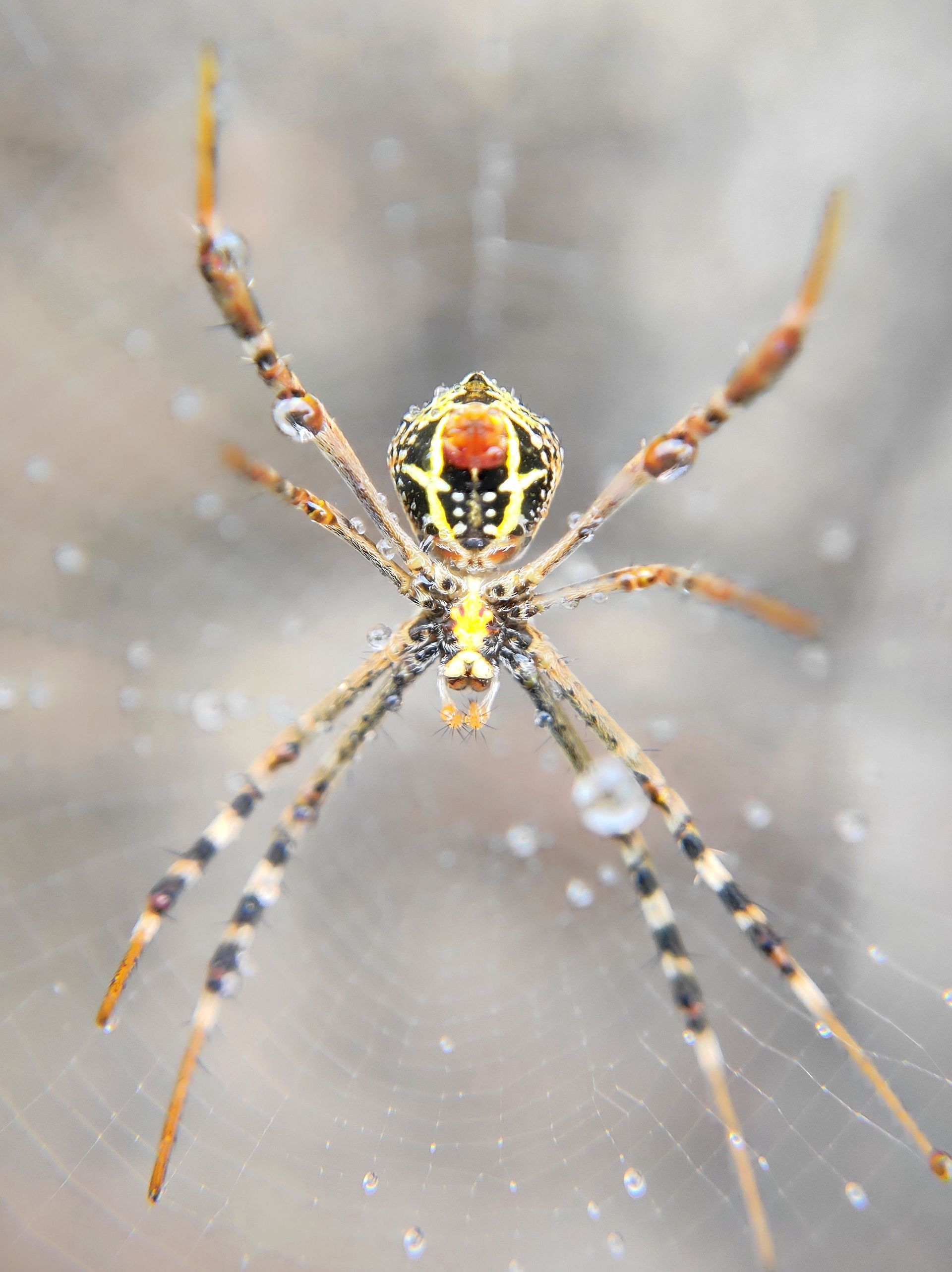
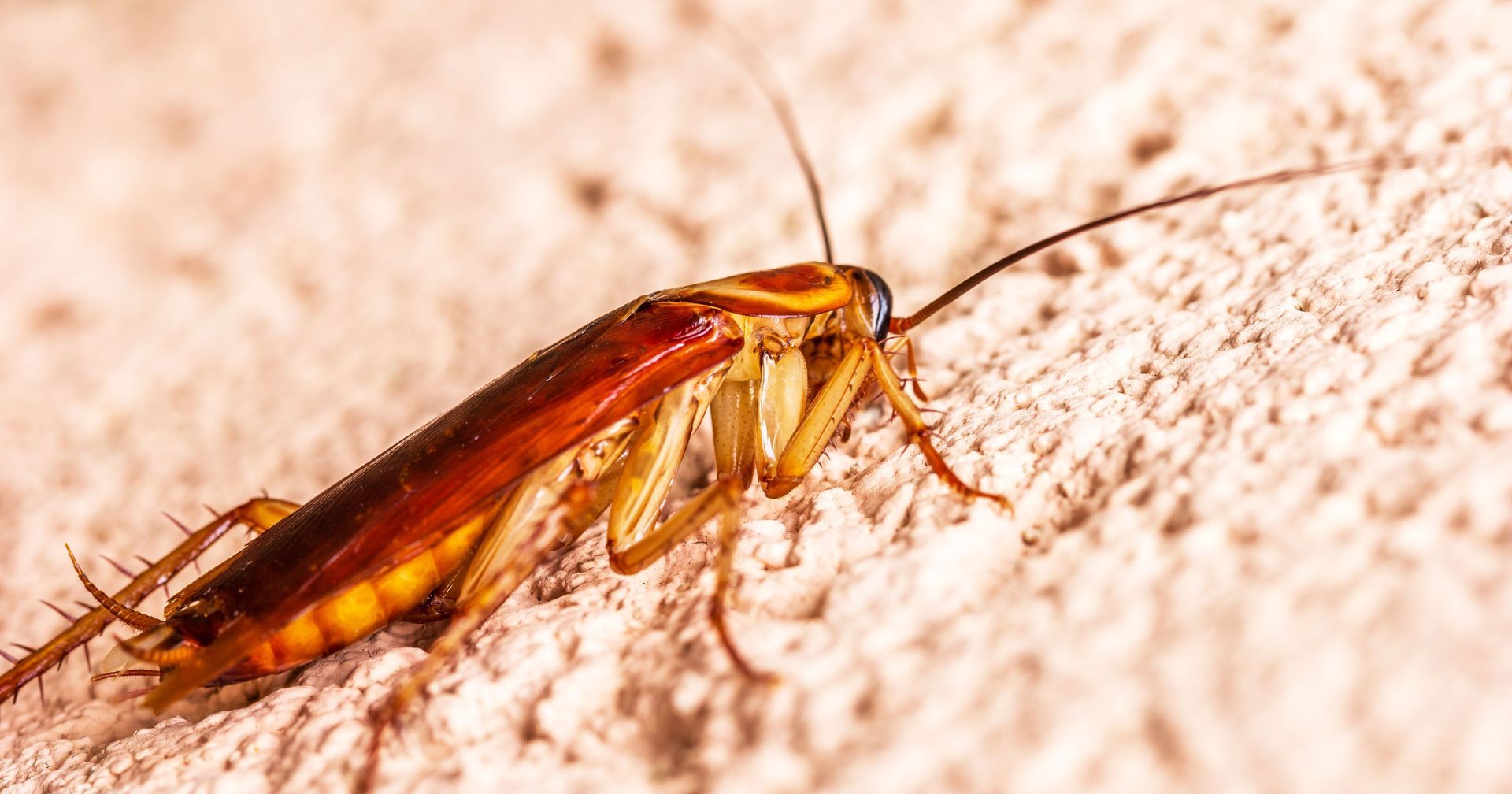
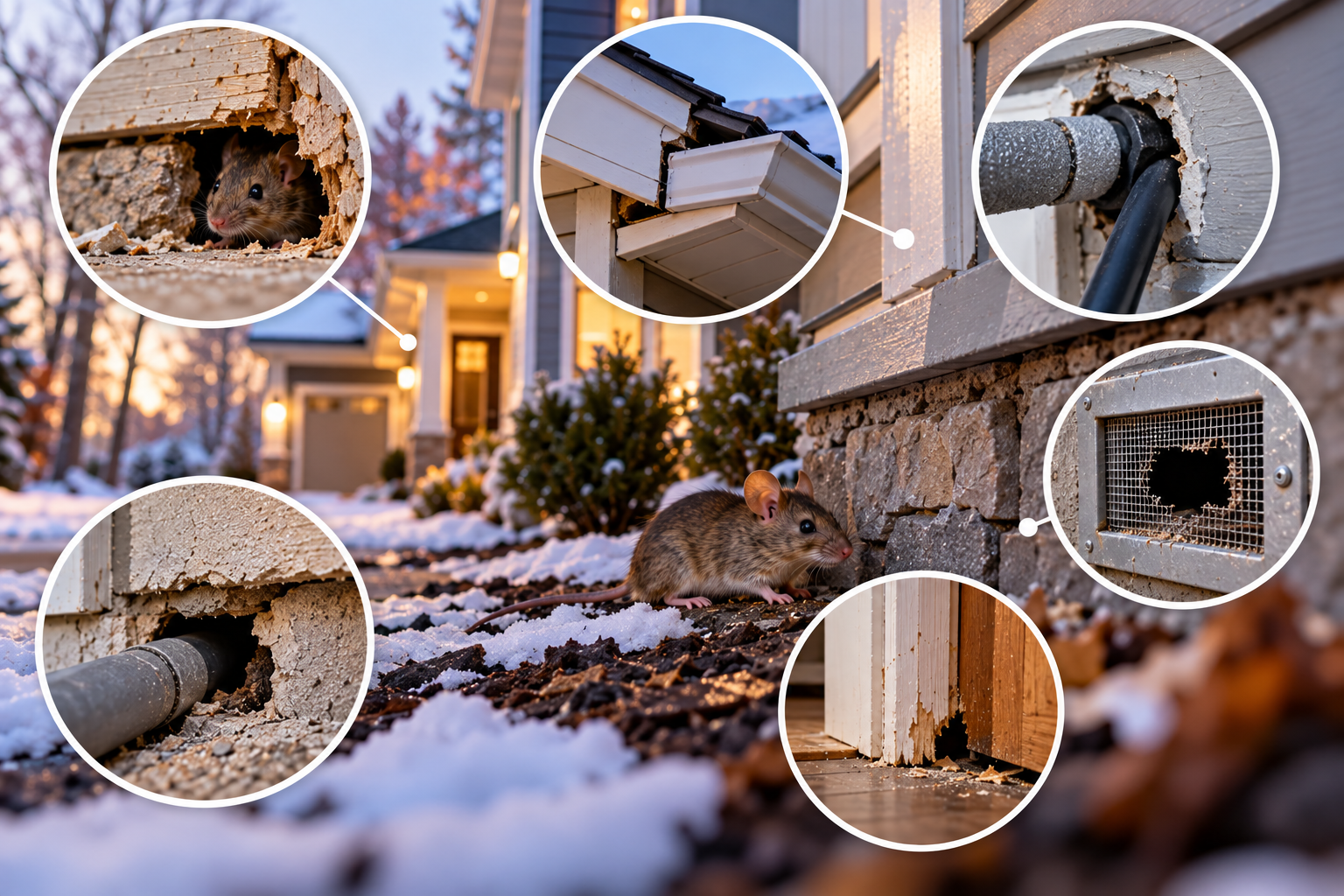
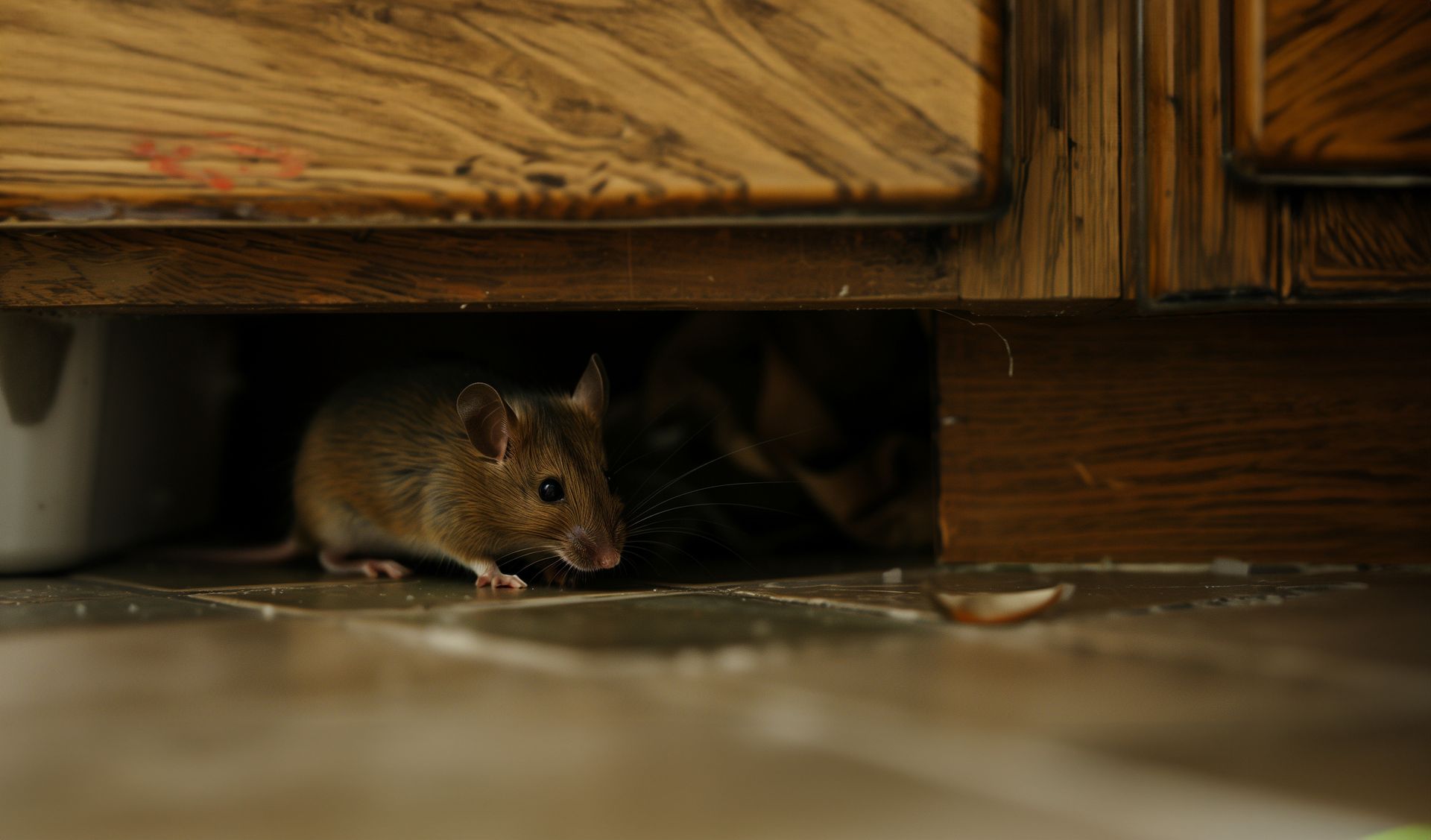
Cooler nights reduce some outdoor activity, but they also make protected structures more attractive. Rodents may begin testing gaps around doors, vents, roof edges, and utility lines. Spiders can follow insect prey into garages and storage spaces, while cockroaches, earwigs, and silverfish may remain active in damp or insulated areas.
Common fall pressure points include:
- Foundation cracks and utility penetrations that create protected entry routes
- Garage-door gaps, worn seals, and vents that allow pests inside
- Leaf litter, bark, or dense vegetation that provides exterior harborage
- Moisture around crawl spaces, basements, irrigation, or shaded walls
- Attics, storage rooms, and wall voids that offer stable winter shelter
Understanding seasonal pest movement helps explain why autumn inspections matter. Pests do not simply disappear when summer ends. Their behavior changes, and many begin using the structure more heavily as outdoor conditions become less dependable.
Professional inspection can identify those routes early and direct treatment toward active areas instead of waiting for repeated indoor sightings.
Exterior Conditions Can Drive Indoor Pest Activity
Many fall pest problems begin outside the living space. Landscaping, debris, moisture, exterior lighting, and structural gaps can all affect how closely pests gather around a home. Once activity builds near the perimeter, small openings can become convenient pathways indoors.
Important exterior conditions include:
- Vegetation touching siding, rooflines, windows, or other structural surfaces
- Standing water or irrigation issues that support mosquitoes and other insects
- Outdoor trash, pet food, or organic debris that attracts pests near entrances
- Wasp nesting areas around eaves, sheds, decks, and protected structures
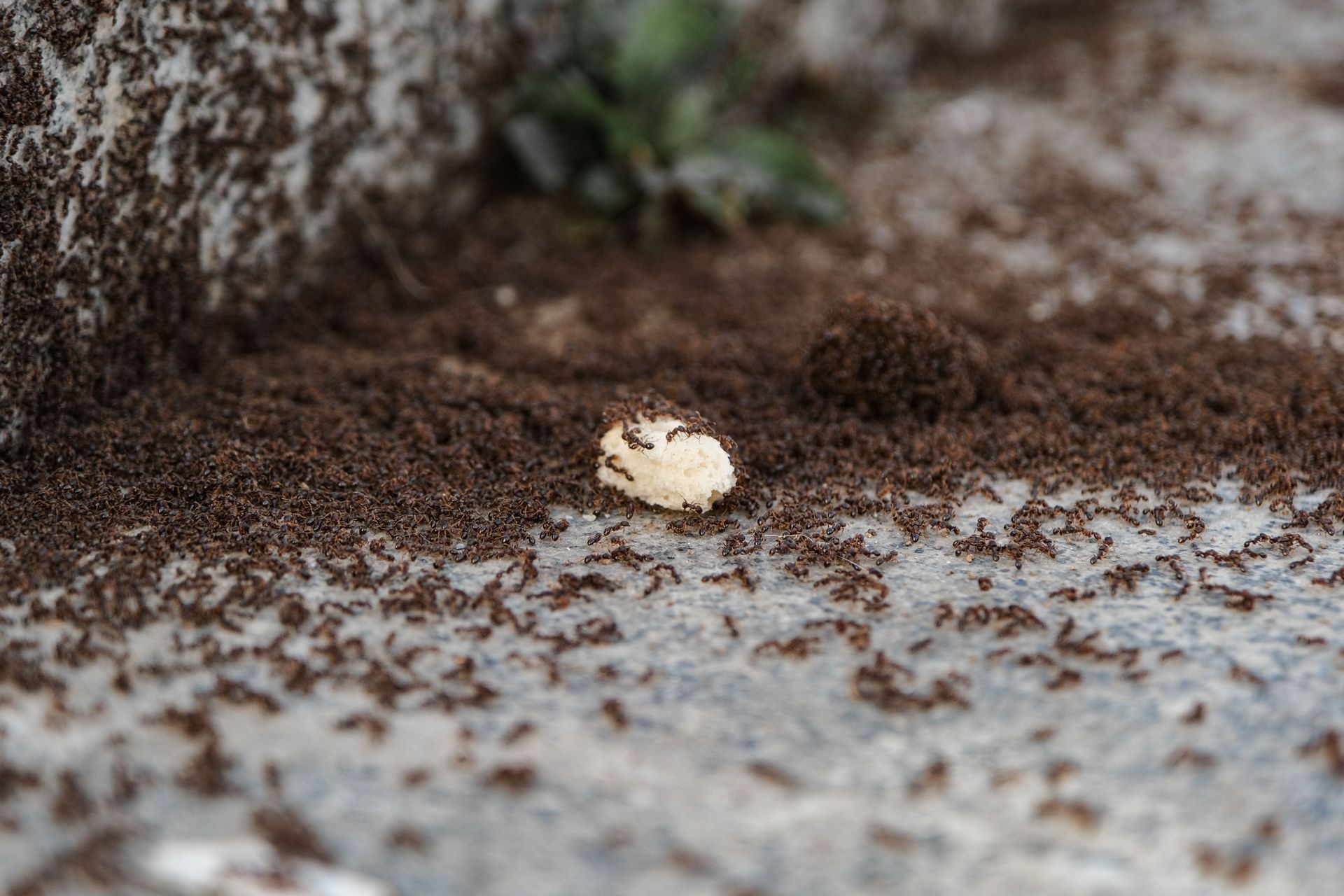
- Repeated ant, spider, or cockroach activity along foundations and patios
A professional evaluates which conditions are actually contributing to the problem. That distinction matters because not every moisture source, crack, or landscape feature creates the same level of risk.
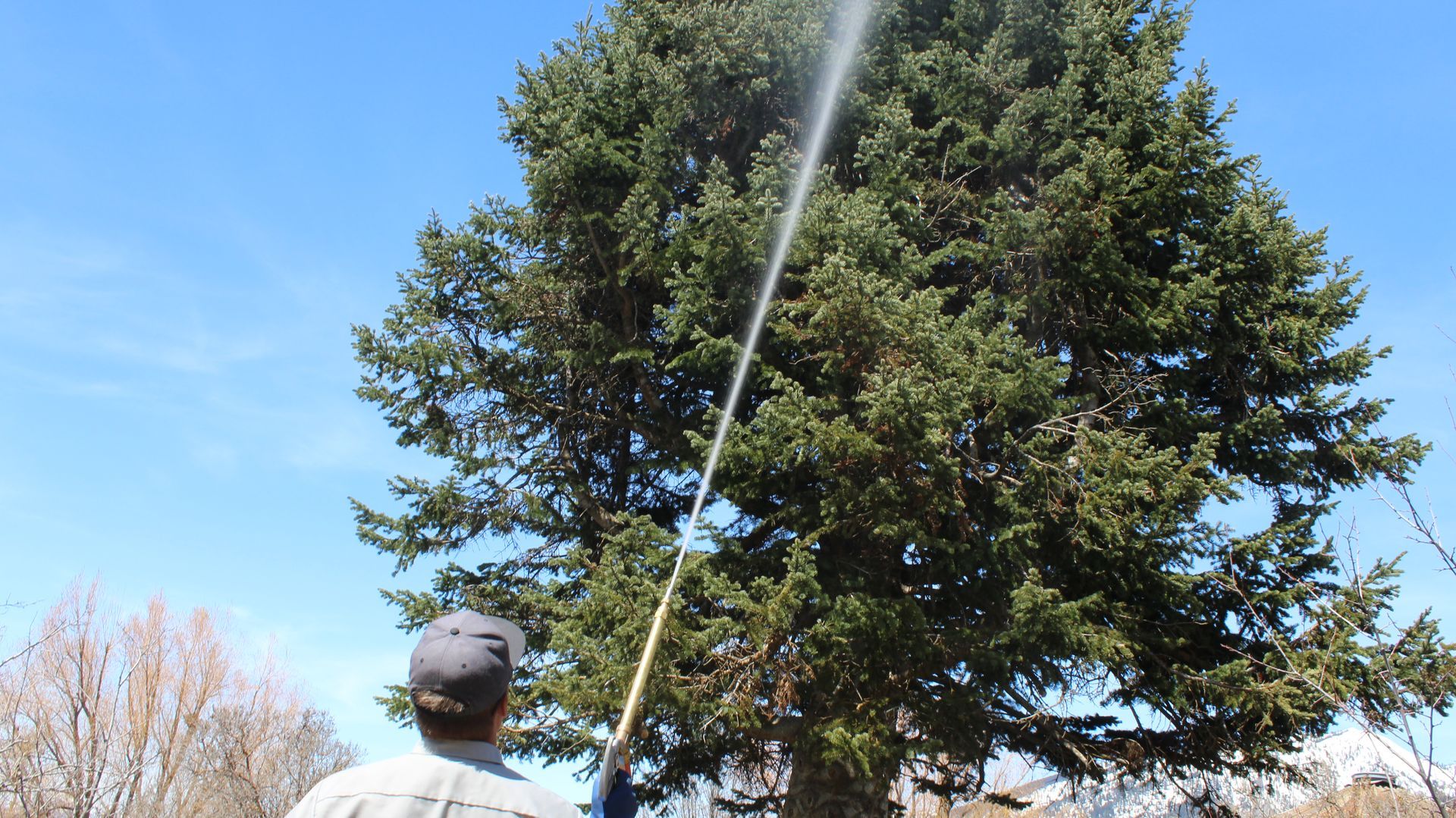
Fall service can also establish a stronger perimeter before colder weather sends more pests toward shelter. Targeted exterior treatment, entry-point evaluation, and monitoring reduce the chance that pests move from yards and exterior walls into occupied rooms.
Early Professional Attention Helps Prevent Repeat Problems
The value of fall pest control is not limited to removing pests that are already visible. It also creates an opportunity to document where activity is occurring, compare recurring problem areas, and strengthen weak points before winter.
A professional fall plan may include:
- Inspecting known hot spots for fresh droppings, webs, trails, or nesting activity
- Treating active exterior routes and sheltered areas based on current evidence
- Checking doors, vents, rooflines, garages, and foundations for access points
- Evaluating moisture, clutter, food sources, and landscaping that support activity
- Scheduling follow-up when seasonal pressure or previous infestations justify monitoring
The same prevention principle seen in summer pest planning applies as fall approaches. Seasonal pest pressure is easier to manage when inspections, treatment, exclusion, sanitation awareness, and follow-up work together rather than after complaints or sightings become frequent.
Different pests also require different responses. Rodents need a strategy based on travel routes and access points, while ants may be connected to exterior colonies and moisture. Spiders often indicate prey activity, and cockroaches or silverfish may point to damp, protected conditions. Stinging insects can remain active around sheltered nesting sites until colder weather reduces activity.
This is why one-time, one-size-fits-all treatment is rarely the most useful fall strategy. Professional pest control is more effective when it is adjusted to the property, the season, and the evidence found during inspection.
Fall also gives technicians a chance to prepare for winter activity. If rodent gaps, moisture-prone areas, or recurring insect routes are identified now, those issues can be addressed before cold weather encourages deeper indoor movement.
Year-round protection depends on continuity. A technician who can compare fall findings with earlier activity may recognize patterns that are easy to miss during a single visit. That information makes future treatment more precise and helps homeowners understand which areas deserve attention as the season changes.
The goal is not to treat every pest everywhere. It is to reduce active pressure, limit access, and make the home less supportive of pests that are seeking shelter. Starting before fall fully settles in can make that process more efficient and help prevent small seasonal changes from becoming persistent indoor problems.
Prepare Your Home Before Pests Move In
If you are noticing seasonal pest activity or want to prepare your home for cooler weather, contact Prominent Pest Solutions for professional pest control focused on inspection, targeted treatment, prevention, and long-term protection.