Know Why Your Trees Are Losing Leaves Due to Outdoor Pests
Leaf loss can be a normal seasonal process, but unexpected thinning, curling, discoloration, or early drop may point to pest activity. Insects that feed on leaves, sap, bark, or roots can weaken trees gradually, making damage easy to confuse with drought, nutrient stress, or disease.
Effective pest control starts with identifying the exact cause before treatment begins. Tree pests behave differently, and the right response depends on where they are feeding, how much damage is present, and whether other landscape conditions are adding stress.
Watch For Feeding Damage On Leaves And Stems
Outdoor pests can affect trees in several ways. Aphids and scale insects feed on plant fluids, while spider mites may cause stippling, discoloration, and premature leaf drop. Borers can damage bark and internal tissues, interfering with the movement of water and nutrients.
Warning signs may include:
- Leaves turning yellow or brown earlier than expected
- Fine stippling, curling, or distorted new growth
- Sticky residue or sooty buildup on foliage
- Small holes or damaged areas in bark
- Thinning sections of the canopy
- Repeated leaf drop during the growing season
Damage patterns matter. A few affected leaves may reflect minor pressure, while widespread thinning may indicate a larger issue. Professional inspection helps distinguish pest feeding from weather stress, nutrient problems, or disease, so treatment is not based on guesswork.
Root Stress Can Make Pest Damage More Severe
Trees under root stress often have less ability to recover from insect feeding. Compacted soil, poor irrigation, drought, or damaged roots can reduce vigor and make foliage more vulnerable to additional decline.
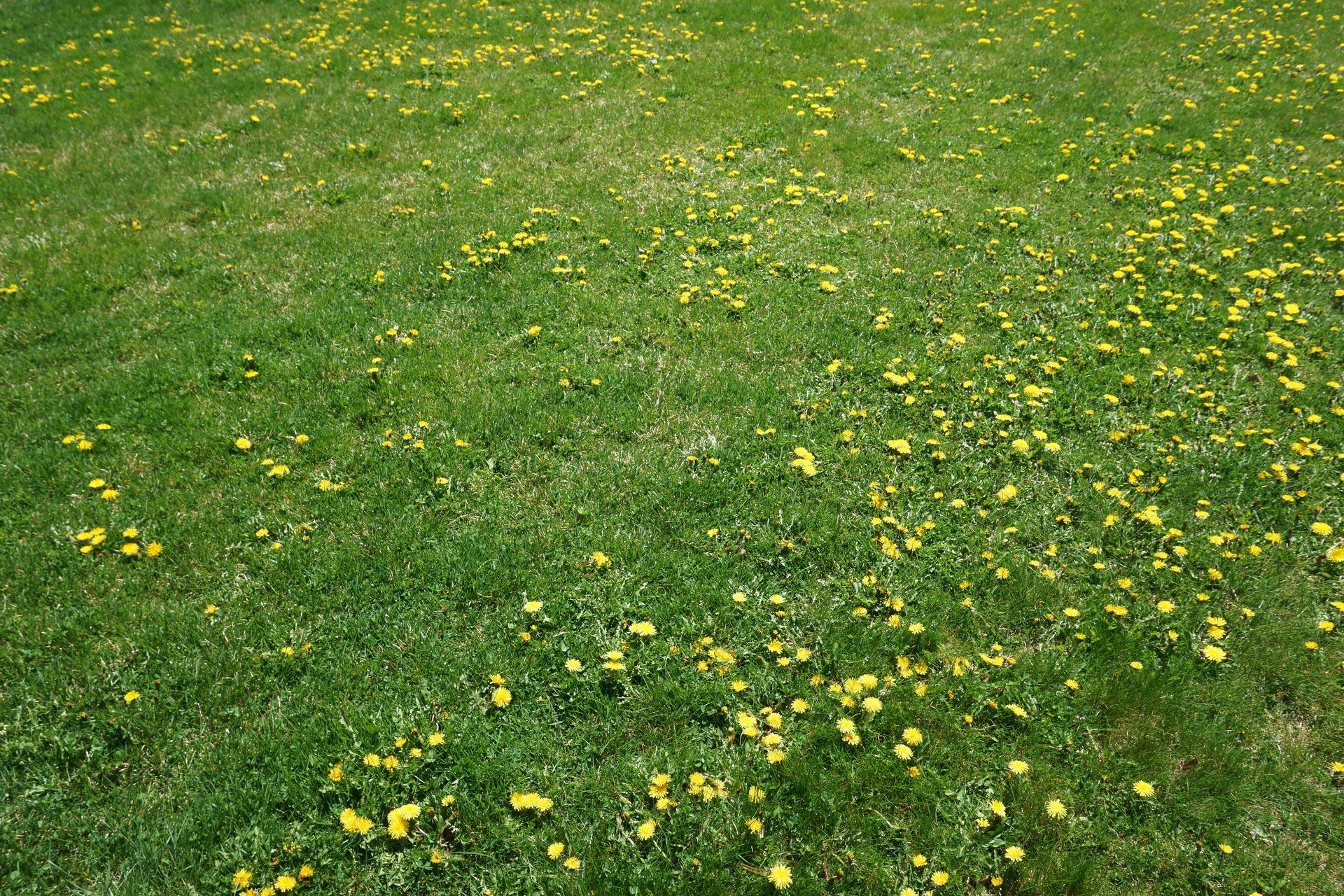
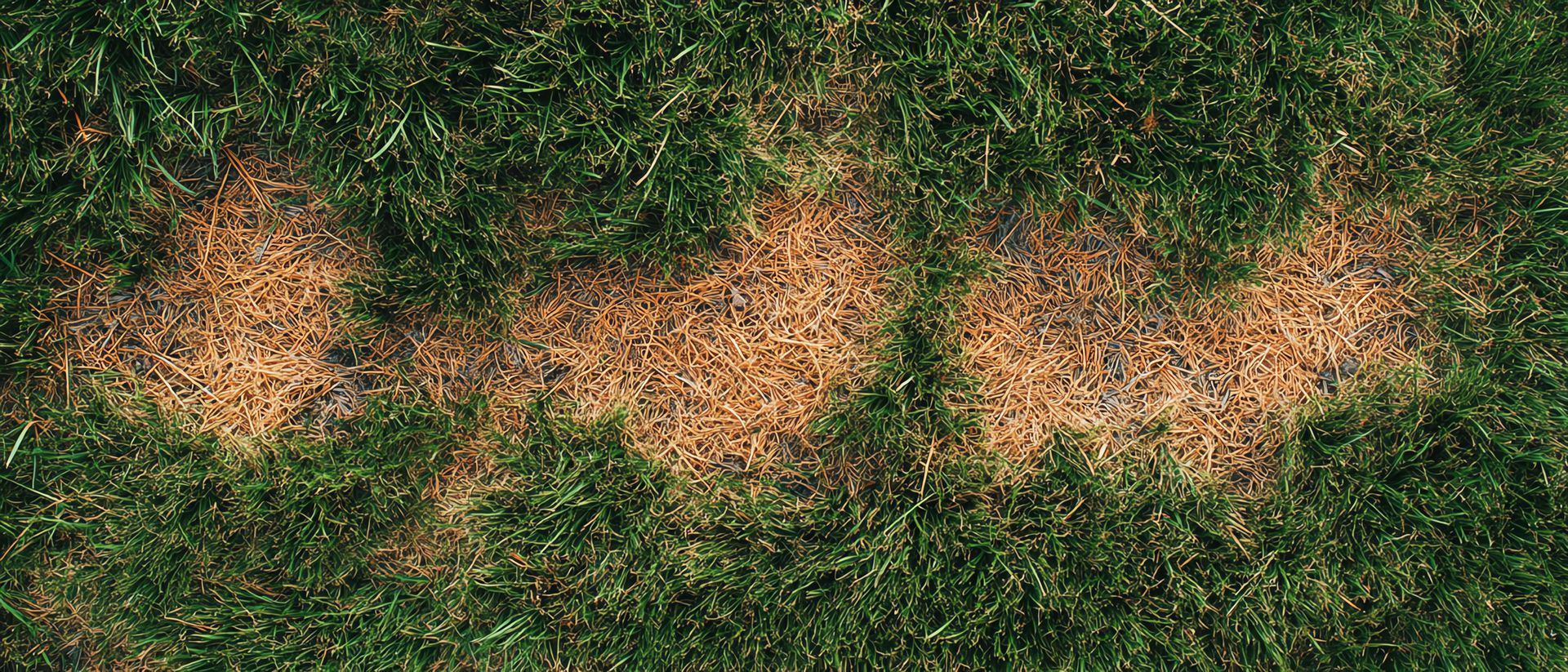
Lawn problems can also provide useful clues about what is happening below ground. For example, recurring grub activity can damage turf roots and signal that soil conditions deserve closer attention throughout the landscape.
A strong tree-care plan considers both above-ground symptoms and the root zone. Deep-root fertilization, proper
watering, and pest treatment may all play different roles depending on what the inspection reveals.
Treating leaves alone will not correct root stress, and improving soil conditions will not eliminate active insects damaging the canopy.
Different Tree Pests Leave Different Clues
Correct identification is one of the most important parts of pest control. Aphids, scale insects, spider mites, borers, and beetles can all affect trees, but the signs they leave and the treatment timing can be very different.
Common clues include:
- Aphids clustering on tender growth and producing sticky honeydew
- Scale insects appearing as small attached bumps on bark or stems
- Spider mites causing speckled or bronzed foliage
- Borers leaving holes, frass, or weakened bark
- Beetles creating chewing damage or attacking stressed wood
- Overwintering pests becoming active as temperatures rise
Dormant oil applications may be useful for certain overwintering insects such as aphids, scale, and mites when conditions and timing are appropriate. Other pests may require targeted treatment during active stages.
Because timing affects results, a professional assessment can help determine whether immediate treatment, monitoring, or a seasonal application is the better option.
Seasonal Pest Pressure Can Affect The Whole Property
Tree pests do not exist separately from the rest of the landscape. Changes in temperature, moisture, vegetation, and insect activity can influence lawns, shrubs, trees, and structures at the same time.
Understanding seasonal pest pressure helps explain why outdoor monitoring should continue throughout the year. Warmer periods may increase insect activity, while changing conditions can push pests toward new feeding or shelter areas.
A tree that loses leaves in midsummer may be responding to a combination of heat stress and pest feeding rather than one single cause. Likewise, damage that appears in spring may have started with overwintering insects that became active as temperatures increased.
Looking at the property as a connected system improves diagnosis and helps prevent repeated treatment of symptoms while the source remains active.
Long-Term Tree Health Depends On Accurate Diagnosis
Healthy trees need consistent care, but treatment should always match the actual problem. Applying the wrong product, treating at the wrong time, or assuming every case of leaf loss is insect-related can delay recovery.
A complete evaluation may include:
- Inspecting leaves, bark, branches, and the root zone
- Identifying the pest species or ruling out pest activity
- Checking irrigation, soil, and nutrient conditions
- Evaluating the extent of canopy thinning or branch decline
- Selecting targeted treatment when active pests are confirmed
- Scheduling follow-up to track recovery and new activity
Professional tree treatment can combine pest management with deep-root fertilization, disease prevention, or dormant-season applications when those services fit the condition of the tree. The goal is not simply to stop leaf drop, but to understand why it is happening and support stronger long-term growth.
When leaf loss appears suddenly, affects large portions of the canopy, or continues despite normal watering and care, an inspection can reveal whether pests are playing a role and what type of response is most appropriate.
Help Your Trees Hold On To Their Health
If unexplained leaf loss or pest damage is affecting your trees, contact Prominent Pest Solutions for professional pest control and tree-care guidance based on the conditions affecting your landscape.