What Is The Best Time To Start Summer Weed Control?
Summer weeds rarely appear all at once. Some begin germinating before hot weather arrives, while others become noticeable after lawns are under heat or moisture stress. That is why summer weed control usually works best before the yard looks overrun.
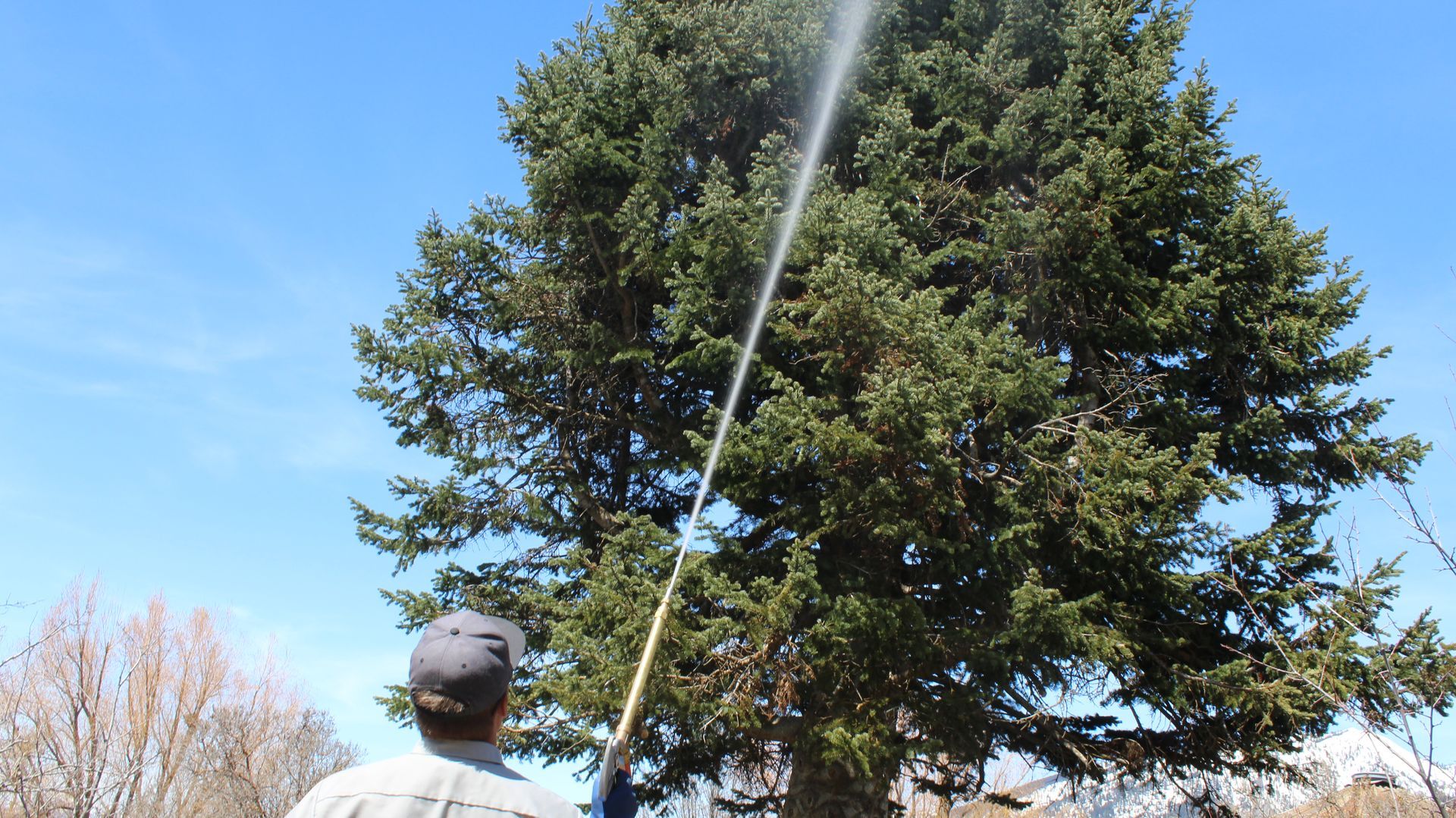
Professional lawn care considers weed type, growth stage, turf condition, and seasonal weather before treatment. Pre-emergent applications can help stop certain weeds before they establish, while post-emergent treatments target weeds already growing. Starting early can reduce the corrective work needed later in the season.
Start Before Summer Weeds Become Established
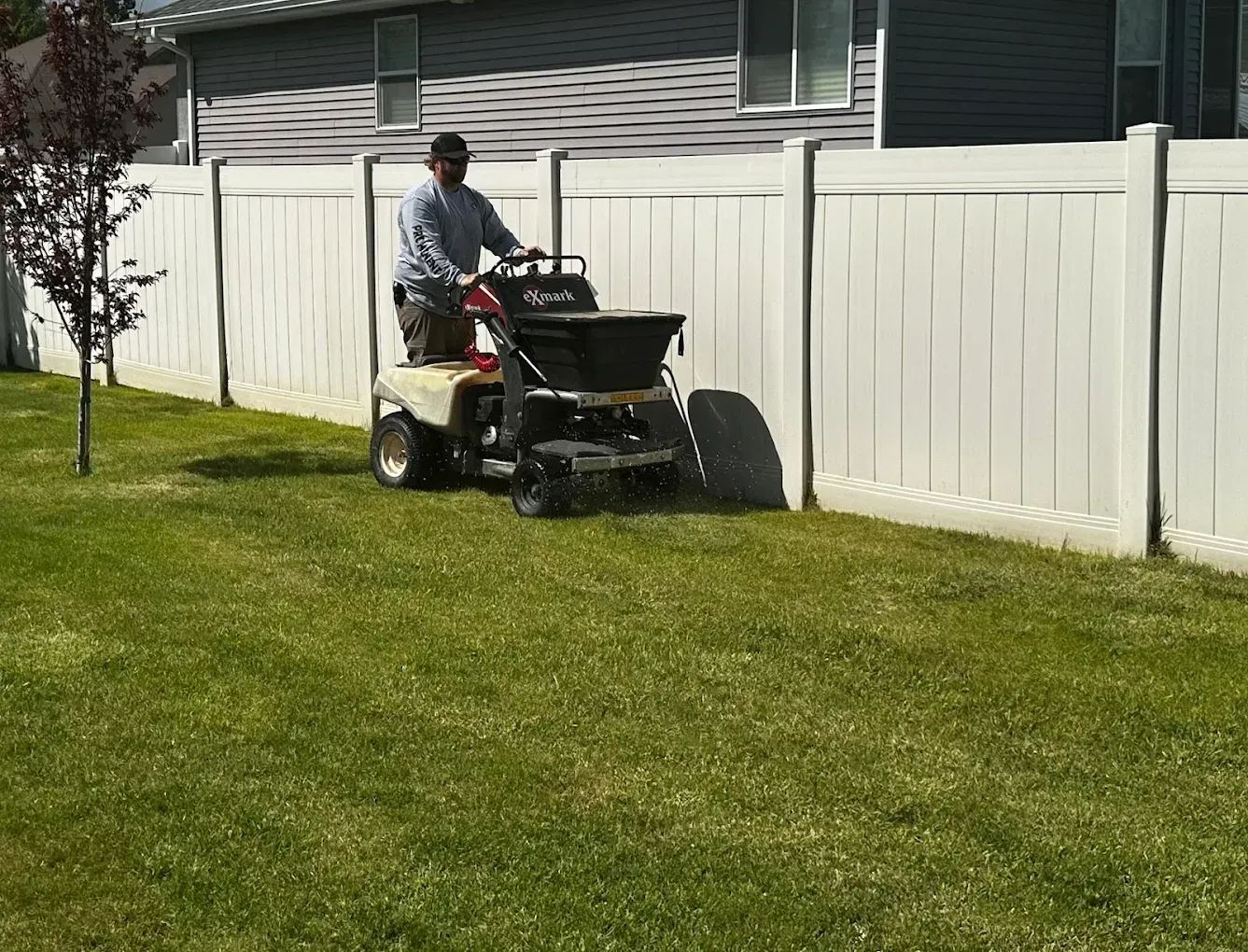
For many lawns, the best starting point is spring or early in the growing season, before summer weeds have developed strong roots, produced seeds, or spread across thin turf. Waiting until weeds are mature can make control slower and may allow more competition with desirable grass.
Early-season priorities may include:
- Identifying weeds already present in the lawn
- Applying pre-emergent treatment when timing is appropriate
- Targeting young weeds before they become well established
- Evaluating thin turf where weeds are likely to spread
- Coordinating fertilization with seasonal lawn needs
- Planning follow-up treatments around new growth
A closer look at weed treatment timing helps explain why visible change depends on the product used, weed species, growth stage, and environmental conditions. Early action gives treatment a stronger starting point before weeds become harder to suppress.
Pre-Emergent And Post-Emergent Treatments Serve Different Purposes
Pre-emergent and post-emergent weed control are not interchangeable. Pre-emergent products are designed to create a barrier that interferes with the establishment of certain weeds before or during germination. Timing is critical because applying them after target weeds are already mature will not provide the intended benefit.
Post-emergent treatment is used when weeds such as dandelions, clover, thistle, or other unwanted growth are already visible. The application can be directed according to the type of weed and the condition of the surrounding turf.
Professional evaluation helps determine which approach fits the lawn. Some seasonal programs use both methods at different times, addressing current weeds while reducing the next wave of growth.
Watch Lawn Conditions As Summer Heat Builds
Timing should also respond to the condition of the grass. A lawn already stressed by high temperatures, drought, improper irrigation, or nutrient problems may require a different approach than healthy turf with scattered weeds.
Conditions worth monitoring include:
- Thin or bare areas where weeds gain space
- Irrigation patterns that create overly wet or dry zones
- Rapid weed growth after rainfall or watering
- Turf discoloration during periods of intense heat
- New weeds appearing along driveways and walkways
- Gravel areas where unwanted vegetation is emerging
Well-timed weed control works best as part of overall lawn care. Healthy grass competes more effectively for light, water, nutrients, and space, while weak turf leaves openings for weeds to establish.
Treatment schedules may shift as weather changes. A professional can assess whether the lawn is ready for application and whether follow-up should adjust around heat, moisture, or active growth.
Summer Weed Pressure Can Overlap With Other Yard Problems
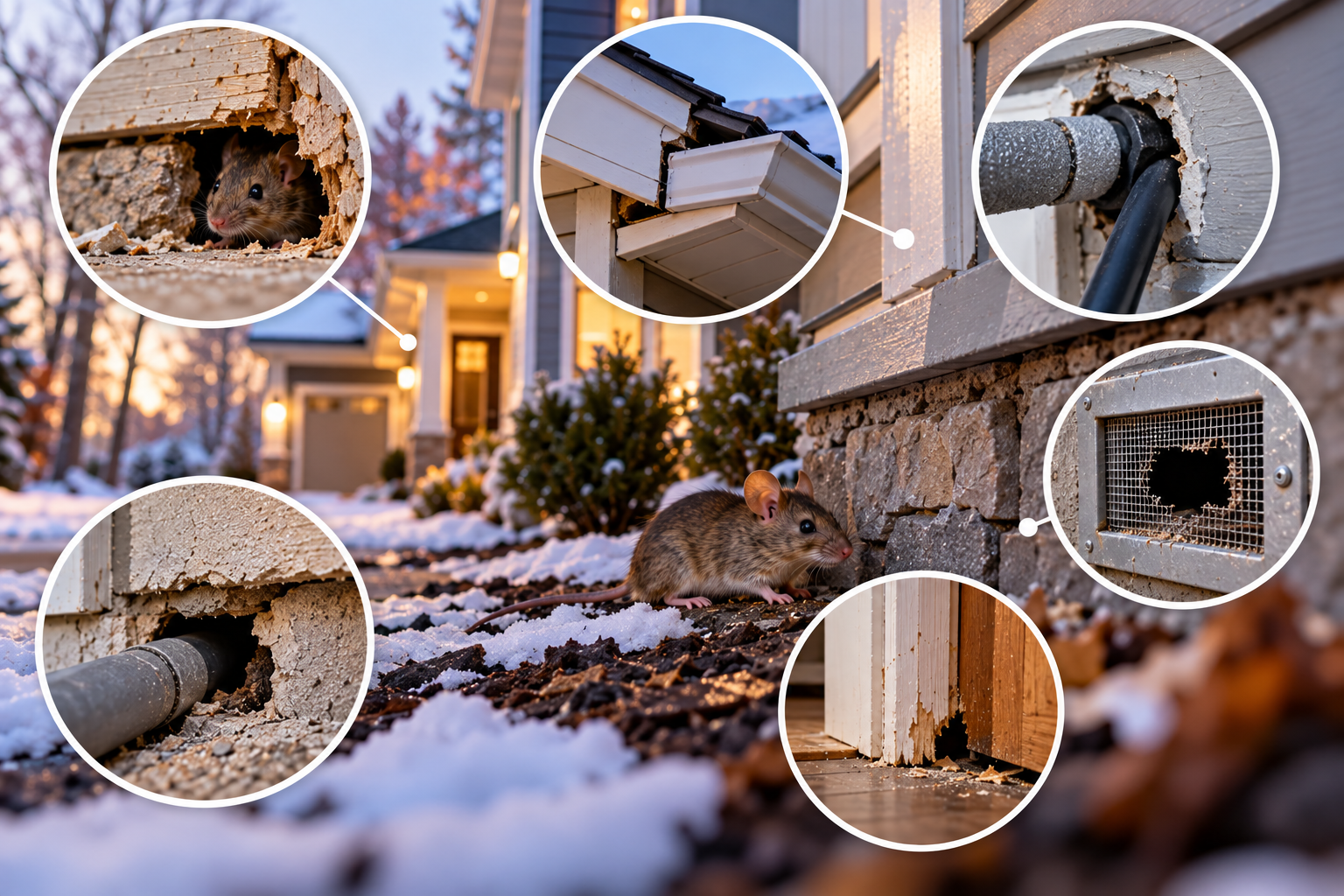
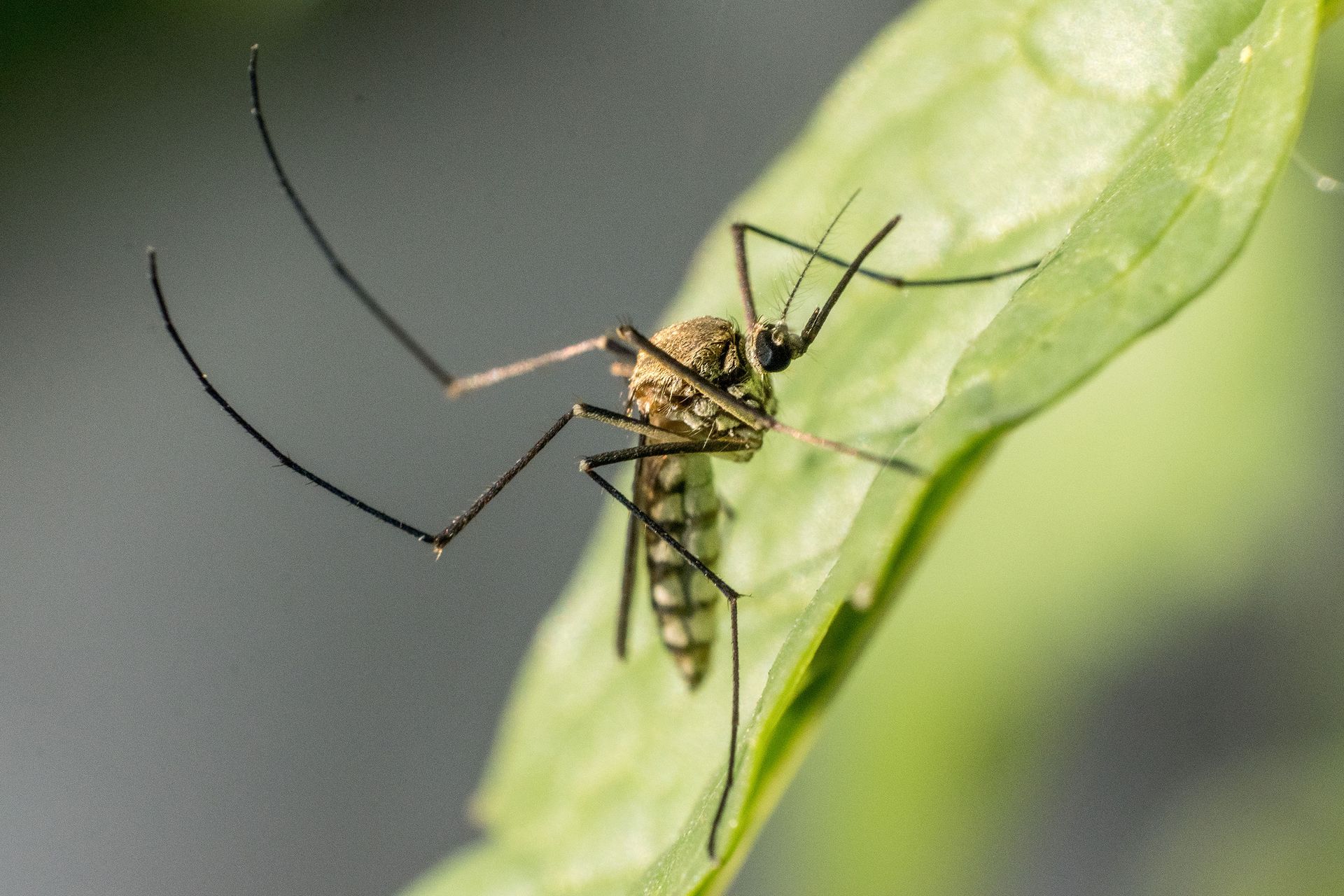
Warm weather affects more than weeds. As vegetation grows and outdoor conditions change, properties may also experience seasonal activity from ants, spiders, earwigs, wasps, mosquitoes, rodents, and other pests handled through professional service.
Understanding seasonal pest pressure can be useful when planning lawn work because landscaping, moisture, shelter, and vegetation all influence what is happening around the property.
Dense weeds can create protected areas near foundations, fences, gravel borders, and landscape beds. Overgrown vegetation may also make inspection more difficult or hide signs of pest activity.
Coordinating lawn care with broader property maintenance helps determine whether weed growth is only a turf issue or part of conditions making outdoor areas harder to manage.
Follow-Up Keeps Summer Weed Control Focused
One treatment is not always the end of a weed problem. Different weeds germinate at different times, and new growth can appear after rainfall, irrigation changes, soil disturbance, or thinning turf. Follow-up allows the lawn to be reassessed instead of assuming the first application addressed every future weed.
A complete seasonal plan may include:
- Rechecking treated areas for surviving weeds
- Monitoring new growth after weather changes
- Adjusting applications according to weed type
- Treating gravel areas with appropriate pre-emergent options
- Supporting turf health with properly timed fertilization
- Scheduling later-season service when new weeds emerge
Professional weed control adds precision because applications can be based on what is actually growing and where it is occurring. That helps avoid unnecessary treatment while keeping attention on problem areas.
The best time to start is generally before summer weeds have gained momentum. Early planning, correct product selection, healthy turf management, and timely follow-up can make the season easier to manage and reduce the chance that weeds dominate the lawn before treatment begins.
Get Ahead Of Summer Growth
For a professional weed control plan based on your lawn, seasonal conditions, and current weed activity, contact Prominent Pest Solutions for targeted treatment and follow-up care.