How General Pest Control Keeps Seasonal Invaders Away
Seasonal pests rarely disappear completely. Instead, their activity shifts as temperatures, rainfall, daylight, vegetation, and food sources change. Ants may become more noticeable when spring moisture returns, wasps often build nests during warmer months, and spiders or rodents may move closer to buildings as colder weather approaches.
Properties in Southeast Idaho and Western Wyoming may experience especially sharp seasonal swings, making timing important for recognizing when exterior activity is likely to shift toward sheltered structural areas.
General pest control helps manage those changes with inspections, targeted treatments, exterior barriers, and follow-up service that match current activity. Rather than waiting for each new pest to appear indoors, a seasonal plan focuses on the entry points, nesting areas, and environmental conditions that allow common invaders to return.
Spring Growth Brings New Pest Activity
As soil warms and plants begin growing, insects become more active around foundations, patios, flower beds, and yards. Moisture from snowmelt, spring rain, and irrigation can also create favorable conditions near a home.
Early-season pressure may involve:
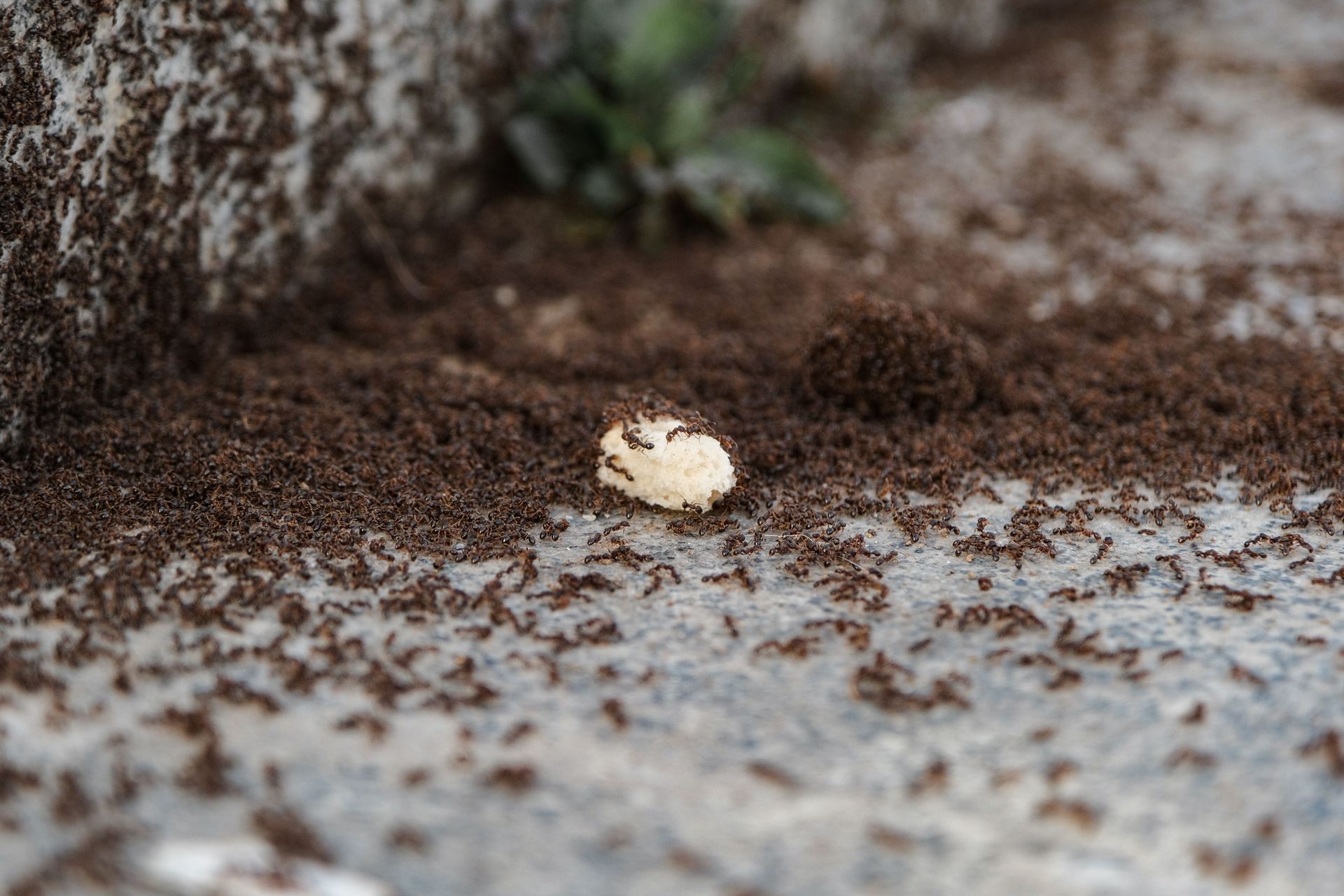
- Ants foraging near kitchens, bathrooms, patios, and foundation edges.
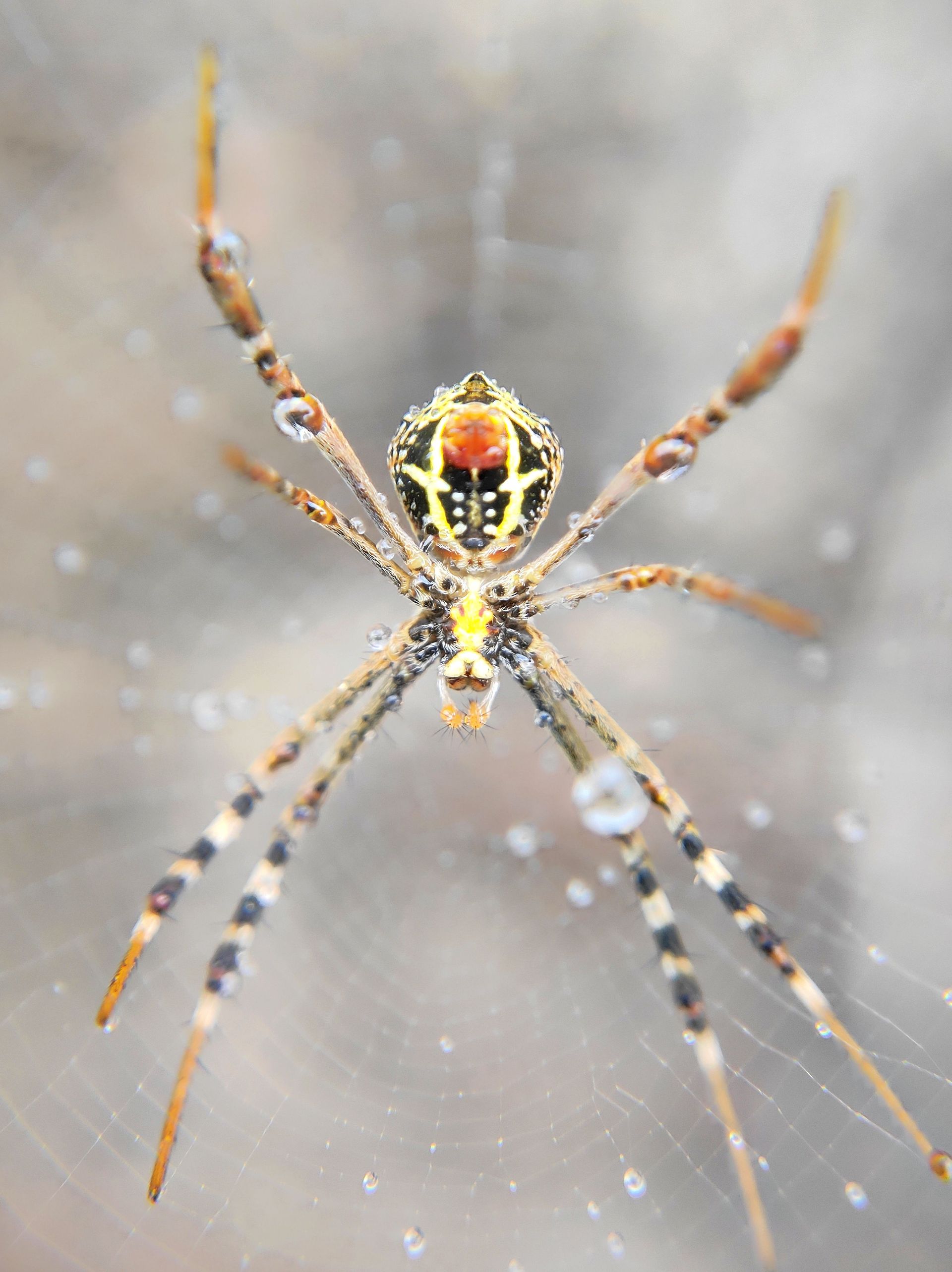
- Spiders gathering where emerging insects provide food.
- Earwigs and silverfish using damp, shaded areas.
- Wasps exploring eaves, decks, sheds, and bark-covered landscaping.
- Fleas and ticks becoming active around pets, grass, and animal travel routes.
A spring inspection can identify developing nests, moisture zones, and exterior gaps before activity becomes established indoors. Treatment can then focus on the areas pests are using rather than relying on a broad response after sightings increase.
Fall Inspections Help Stop Indoor Movement
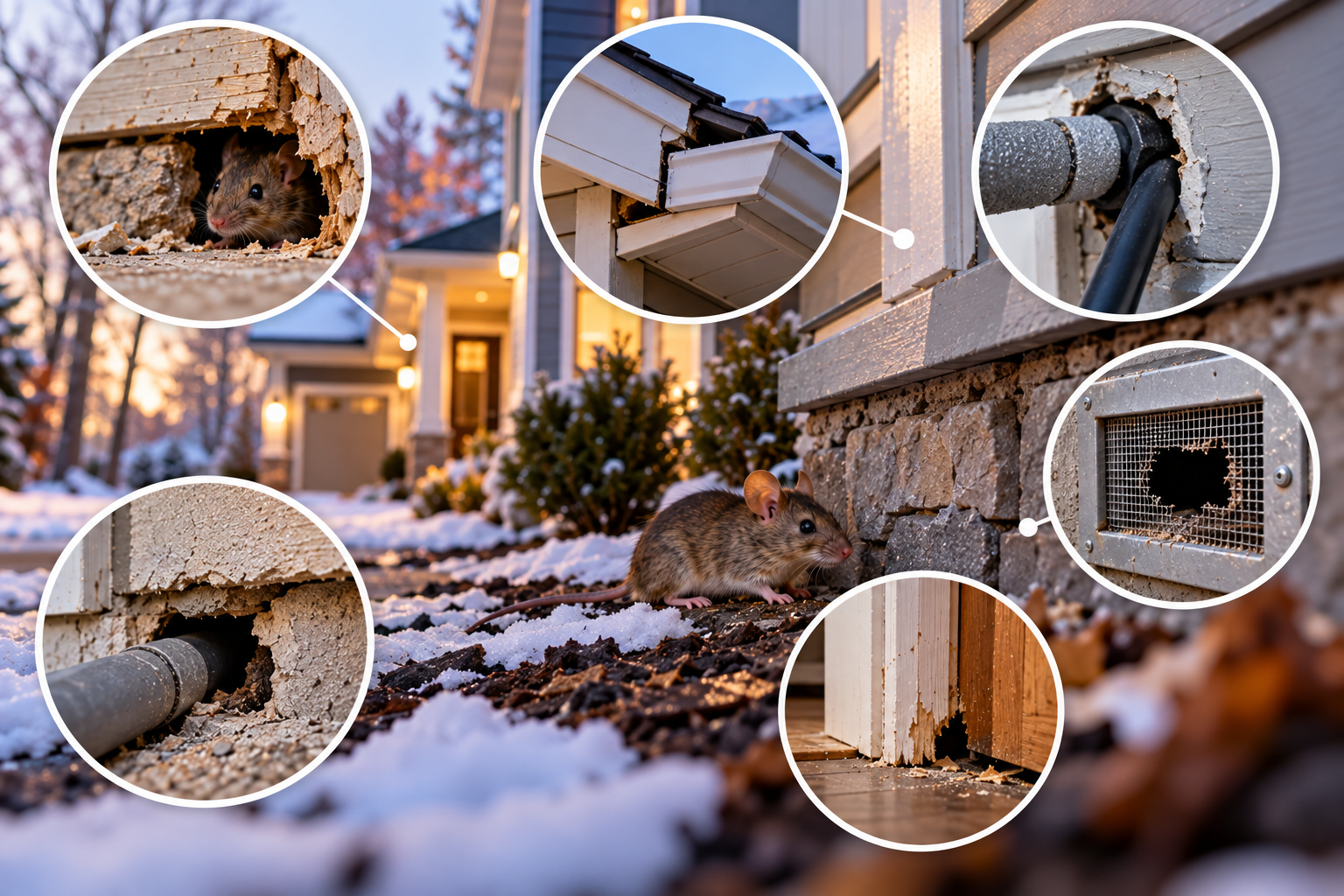
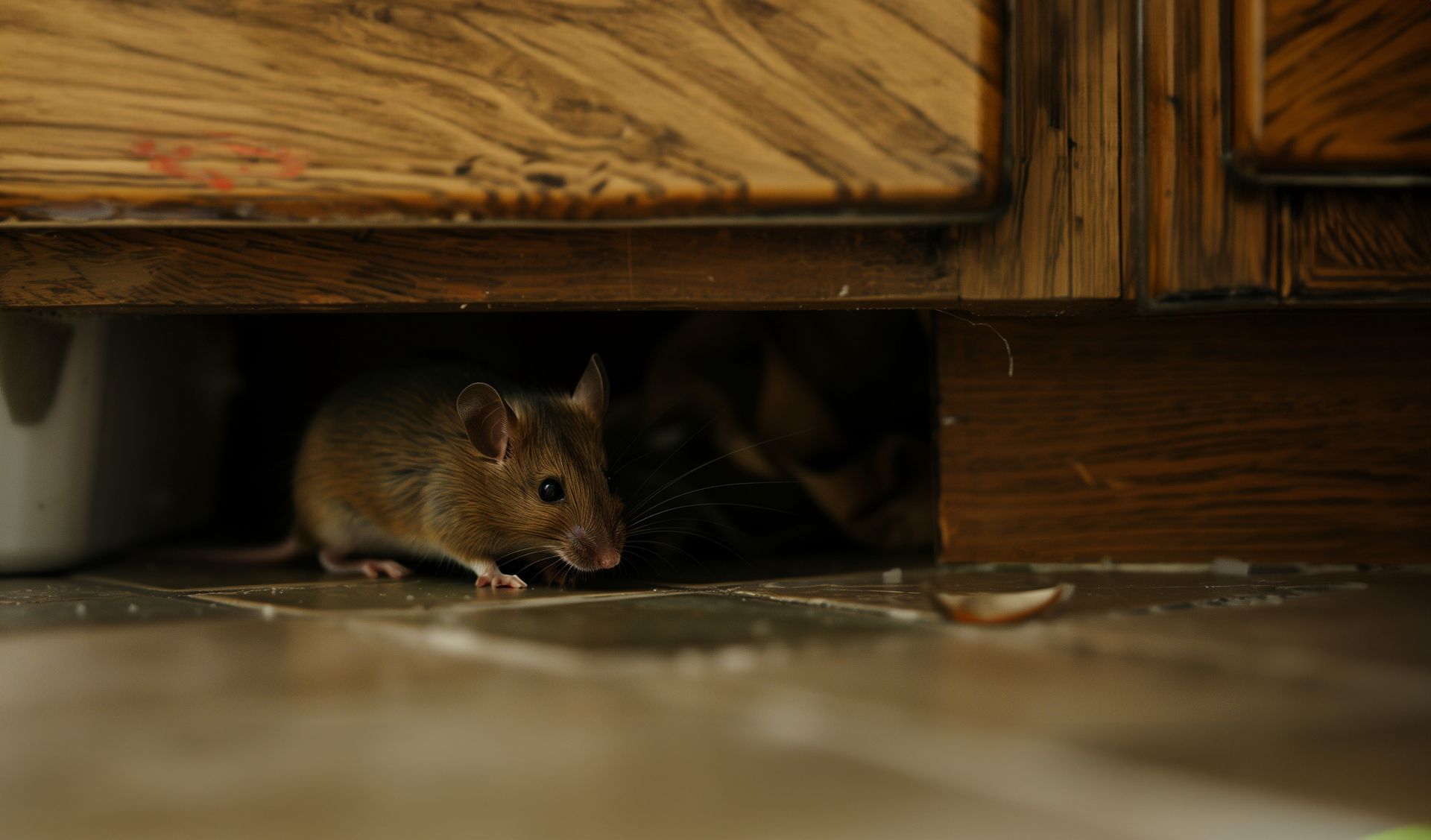
Autumn changes the resources available outdoors. Cooler nights, dying vegetation, and reduced insect activity may push pests toward garages, wall voids, crawl spaces, and other protected areas. Rodents also begin testing openings that lead to warmth, food, and nesting material.
This is why fall pest inspections are useful before temperatures drop further. A technician can check foundation lines, doors, vents, roof edges, storage areas, and landscaping for signs that ants, spiders, wasps, earwigs, silverfish, cockroaches, or rodents are moving closer to the structure.
Early attention can reduce the chance that pests settle inside and remain hidden through winter.
Exterior Barriers Reduce Seasonal Entry Pressure
Many seasonal invaders begin outside, so general pest control often places strong emphasis on the property perimeter. Foundations, doorways, garages, eaves, patios, flower beds, and utility penetrations can all become access points.
A property-specific plan may include:
- Inspecting cracks, gaps, vents, and worn seals around the building.
- Treating active exterior routes and likely harborage zones.
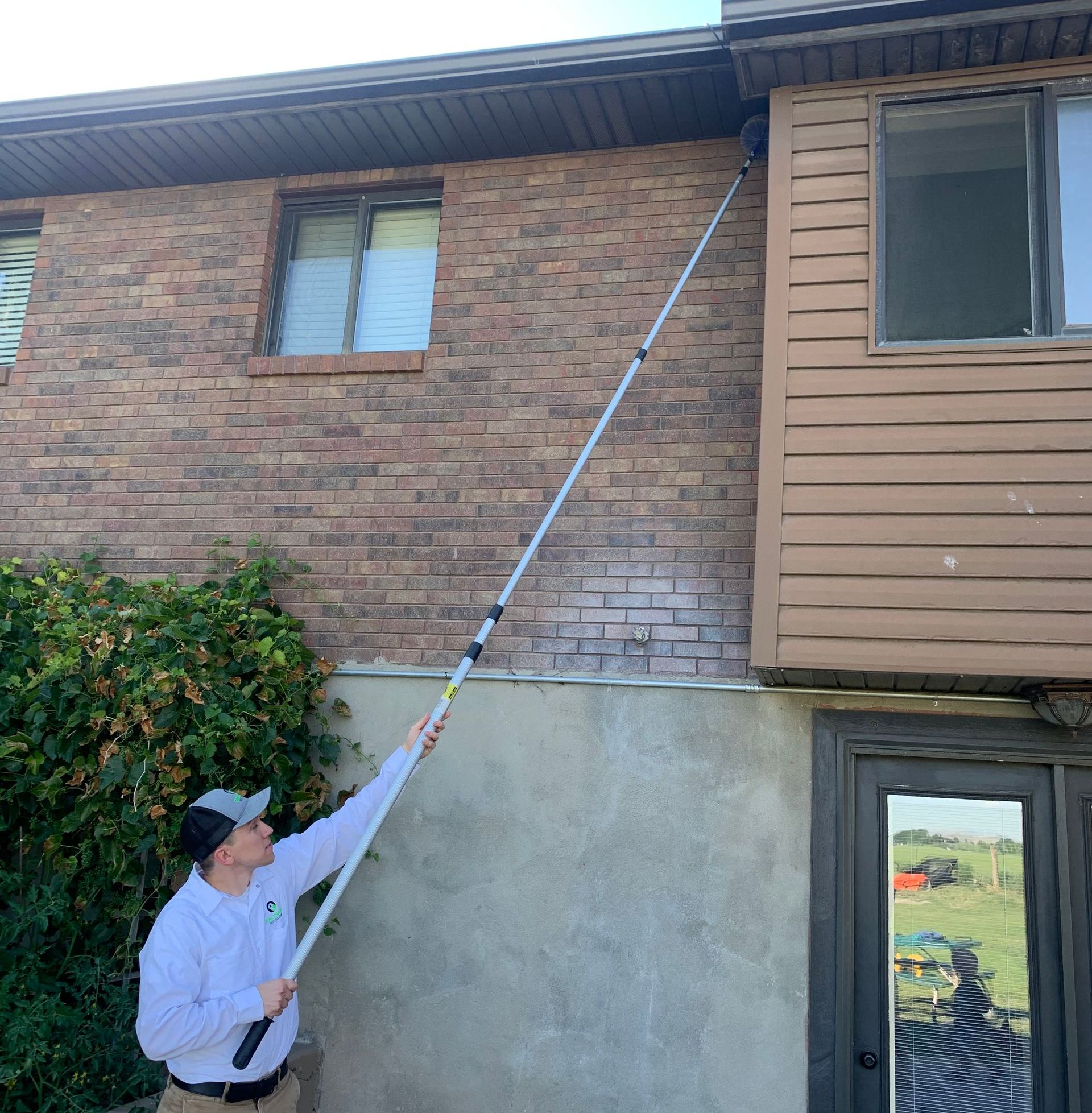
- Removing accessible wasp nests when appropriate.
- Evaluating bark, dense vegetation, and shaded areas near walls.
- Monitoring recurring pressure around garages and secondary structures.
This approach creates a more consistent line of protection while still allowing treatment to change with the season. It also helps reduce the need for repeated interior applications when pests can be intercepted before entering occupied rooms.
Winter Pests Can Remain Active Indoors
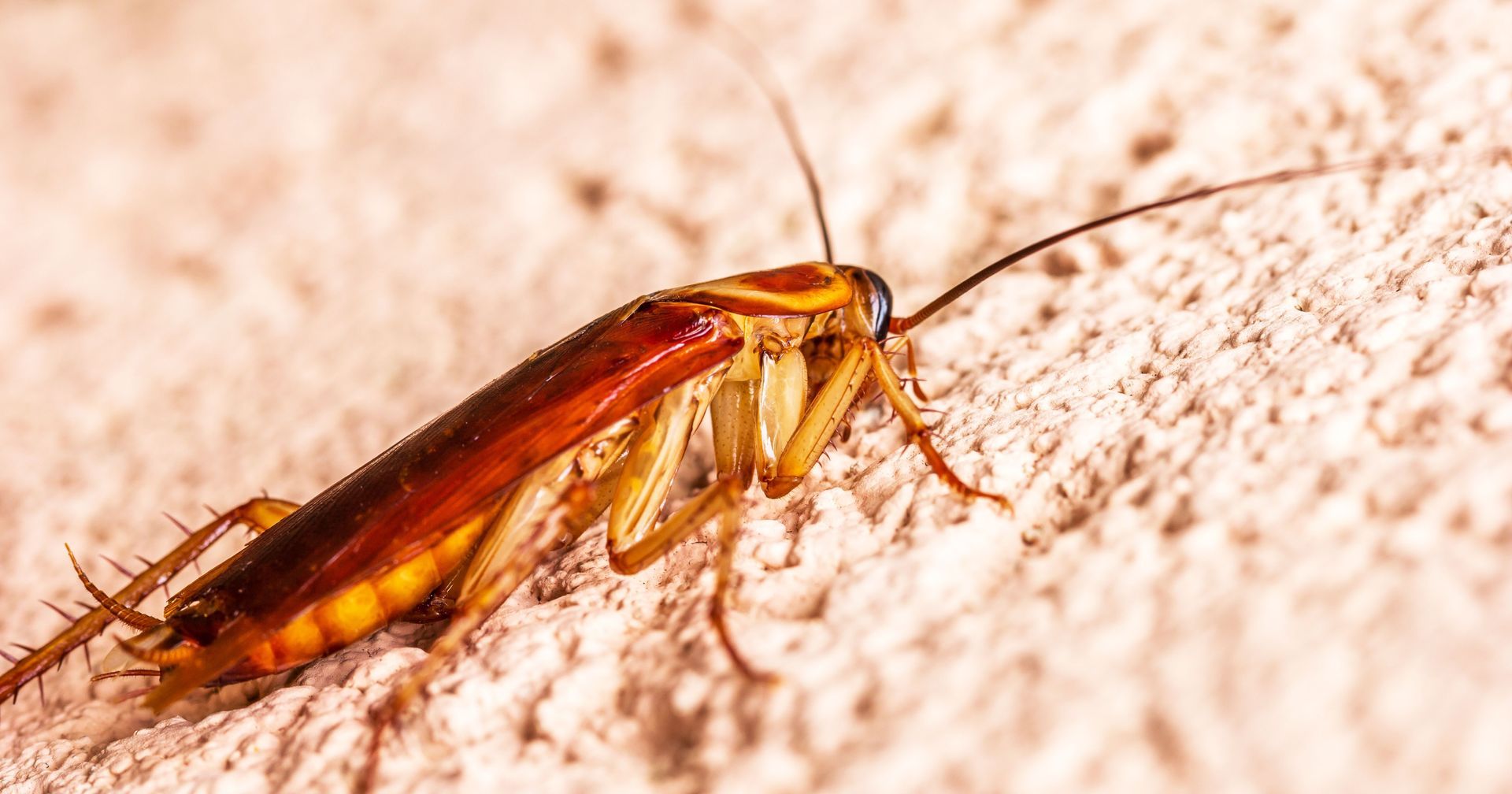
Cold weather may reduce visible outdoor activity, but it does not eliminate every pest problem. Spiders, rodents, cockroaches, silverfish, and other pests may remain active in insulated or moisture-prone spaces once they have gained entry.
The value of winter pest protection comes from addressing hidden activity while the home is closed against the weather. Garages, basements, crawl spaces, attics, kitchens, and utility areas may provide steady warmth and shelter.
A winter service may involve:
- Checking for droppings, webs, gnawing, or concealed movement.
- Inspecting doors, vents, rooflines, and foundation openings.
- Targeting indoor activity based on current evidence.
- Reviewing moisture, food, and clutter that support pests.
- Reinforcing prevention around previously active areas.
Routine monitoring helps determine whether activity is declining or whether another entry route needs attention.
Year-Round Pest Control Adapts to the Property
The strongest general pest control plans are not identical at every visit. Spring moisture, summer heat, fall shelter-seeking, and winter indoor activity create different priorities throughout the year.
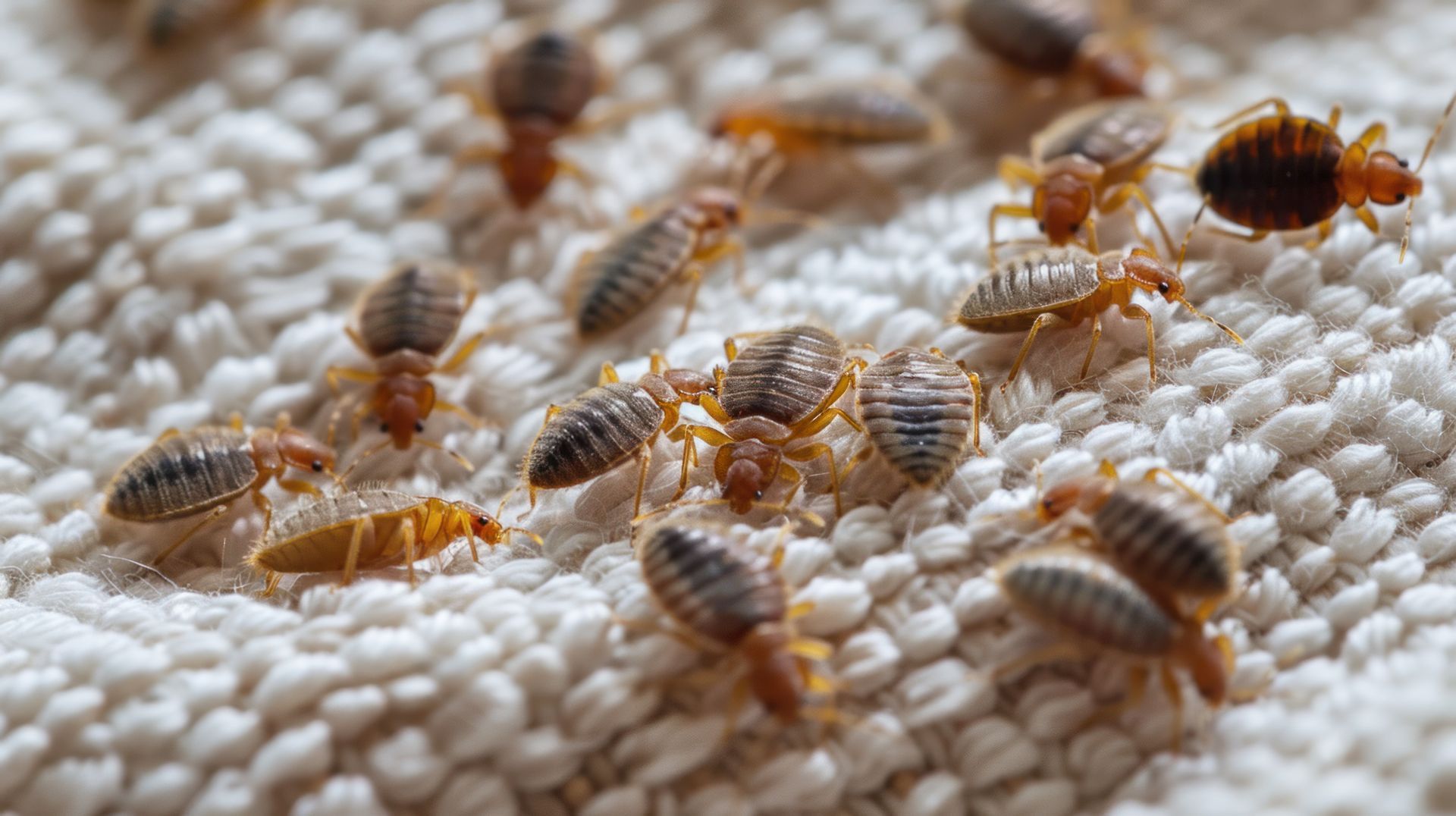
A professional may focus on ants, spiders, wasps, earwigs, beetles, silverfish, cockroaches, fleas, ticks, mosquitoes, bed bugs, or rodents depending on the season and evidence found. The purpose is not to treat every pest in every location without reason. It is to inspect carefully, respond to active pressure, and strengthen vulnerable areas before a small concern grows.
Scheduled service also creates continuity. Technicians can compare current findings with earlier visits, notice new gaps or nesting areas, and adjust treatment when weather or landscaping changes. That record makes prevention more precise than reacting to isolated sightings with one-time products.
Long-term protection depends on combining seasonal timing, accurate identification, exterior barriers, targeted interior service when needed, and follow-up monitoring. When these parts work together, a home is better prepared for the pests most likely to appear in each season.
Keep Seasonal Invaders From Settling In
Changing weather does not have to bring recurring pest problems indoors. Contact Prominent Pest Solutions for professional pest control focused on seasonal activity, targeted treatment, and long-term protection.